

The kava drink market has expanded rapidly, and the quality range is enormous. At one end: products with transparent disclosure of kava's active compounds, noble kava sourcing, clean ingredient profiles, and third-party testing documentation. At the other end: products with "kava" on the label delivering doses too small to produce any noticeable effect. The consumer cannot distinguish these categories by price alone — here is the framework that does.
What Makes a Kava Drink Worth Buying
A kava drink review that evaluates taste without evaluating active-compound content is not evaluating what matters. The variables that determine whether a kava drink actually works are: disclosed kava extract milligrams per serving, noble kava cultivar sourcing, third-party certificate of analysis accessibility, clean sweetener and additive profile, and a clearly labeled amount per serving. Price does not reliably signal quality in this category. A $3 kava drink with clearly disclosed kava extract from noble kava beats a $7 premium can with vague "kava extract" and no COA every time.
Active Compound Content and Why It Matters
Active-compound content per serving is the single most important number on a kava drink label. For a relaxation and social ease effect, 50mg to 150mg per serving is the target range for most adults. Products delivering under 25mg per serving are unlikely to produce noticeable effects. Products delivering over 200mg require careful pacing to avoid excess sedation. Noble kava — cultivars grown in Fiji, Vanuatu, and Tonga using traditional methods — produces a safer, more complete profile of kava's active compounds than tudei kava, which contains elevated dihydromethysticin levels linked to adverse effects. Always verify that active-compound content is disclosed in milligrams, not just as a percentage of extract weight.
Flavor Quality in Kava Seltzers and Ready-to-Drink Formats
Flavor in kava beverages is a genuine challenge because kava's native taste — earthy, intensely bitter, peppery — is not inherently pleasant in a mainstream consumer beverage context. The best kava seltzer products use natural fruit and botanical flavoring to create a pleasant drinking experience while preserving integrity of kava's active compounds. Flavor quality evaluation involves asking: does the flavoring mask the kava effectively without overwhelming it, are the flavoring agents natural rather than artificial, and is the sugar content kept low enough to preserve the health positioning of the beverage? Products using artificial dyes and high-fructose corn syrup alongside kava undercut the wellness rationale for choosing kava over alcohol.
Try the Kava Drinks That Actually Deliver
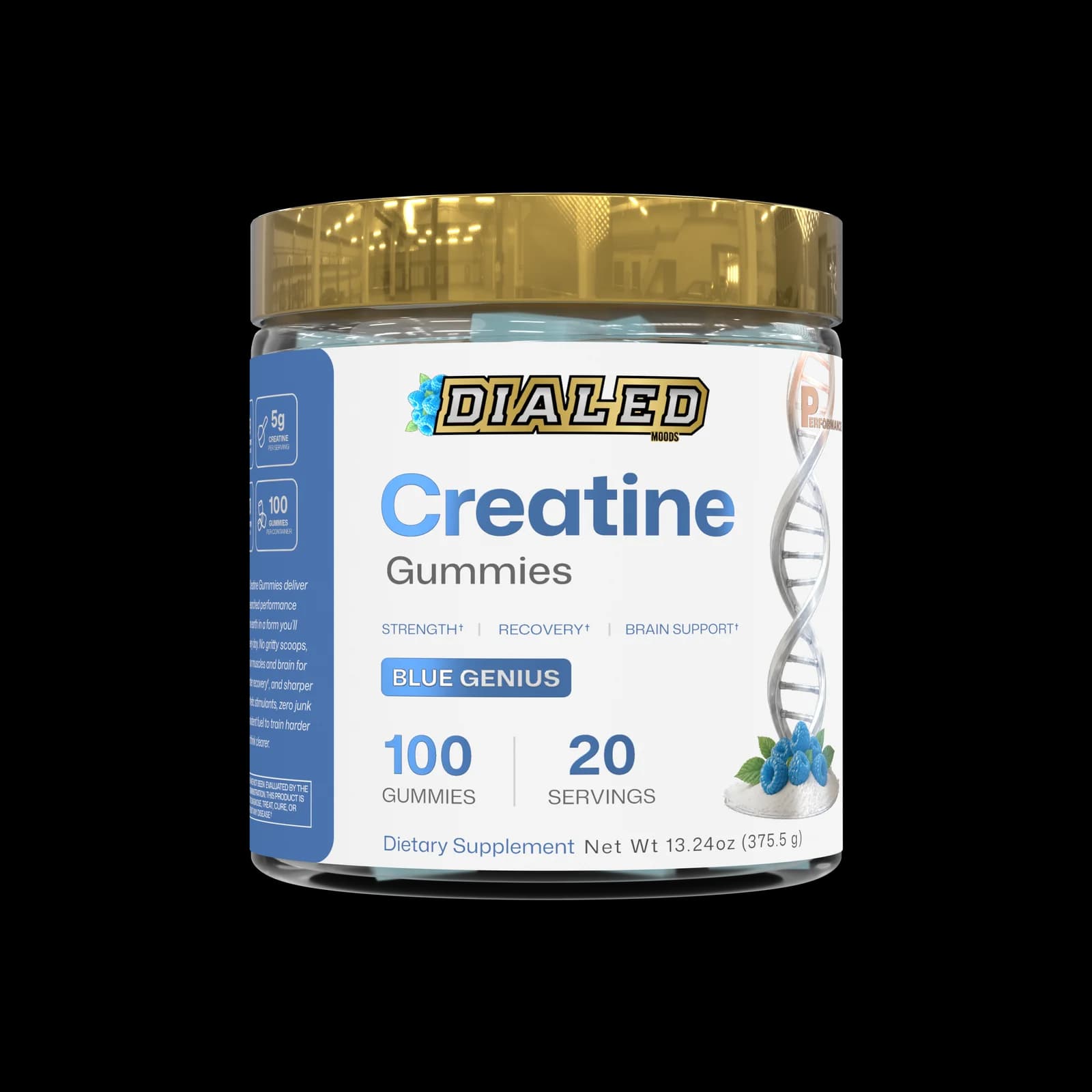
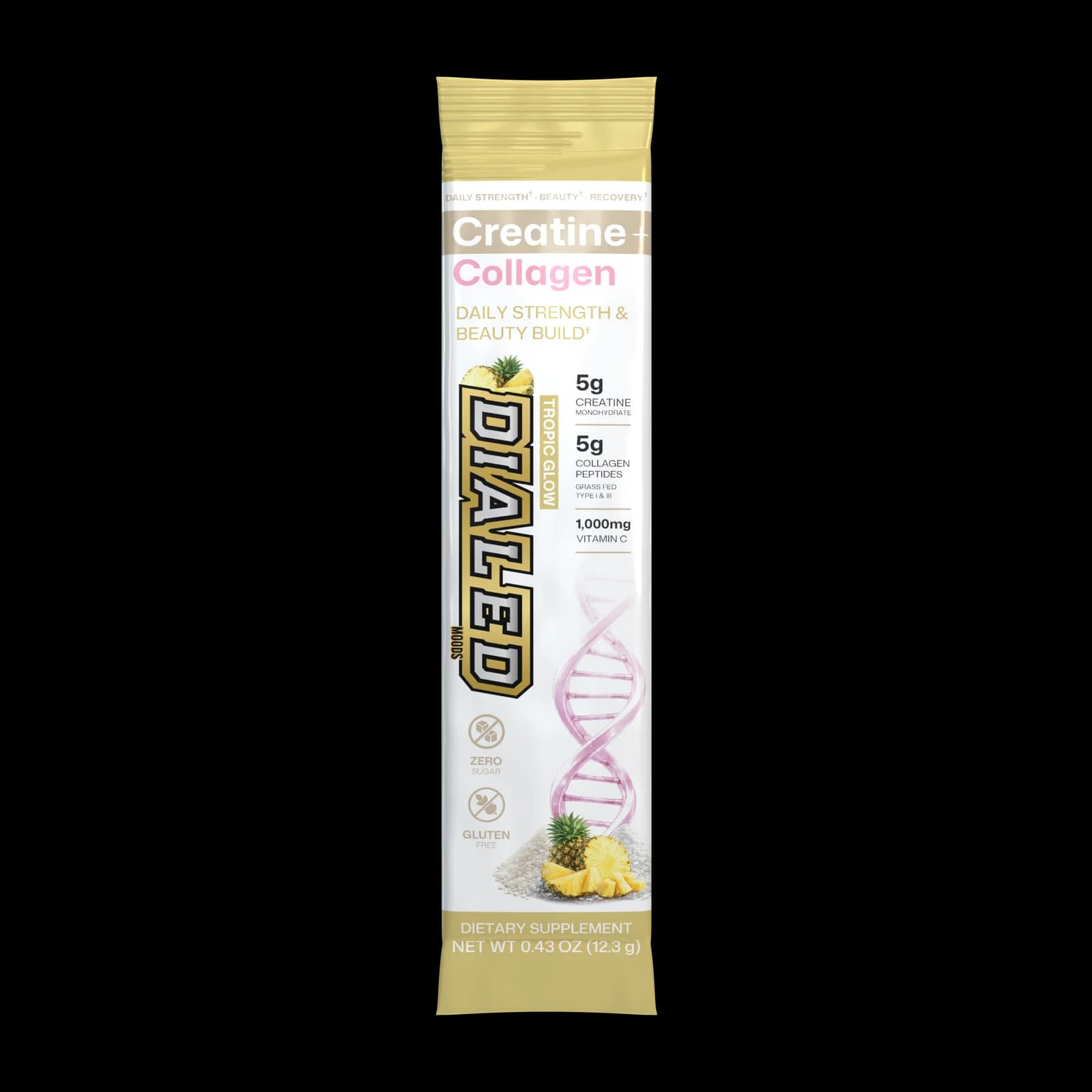
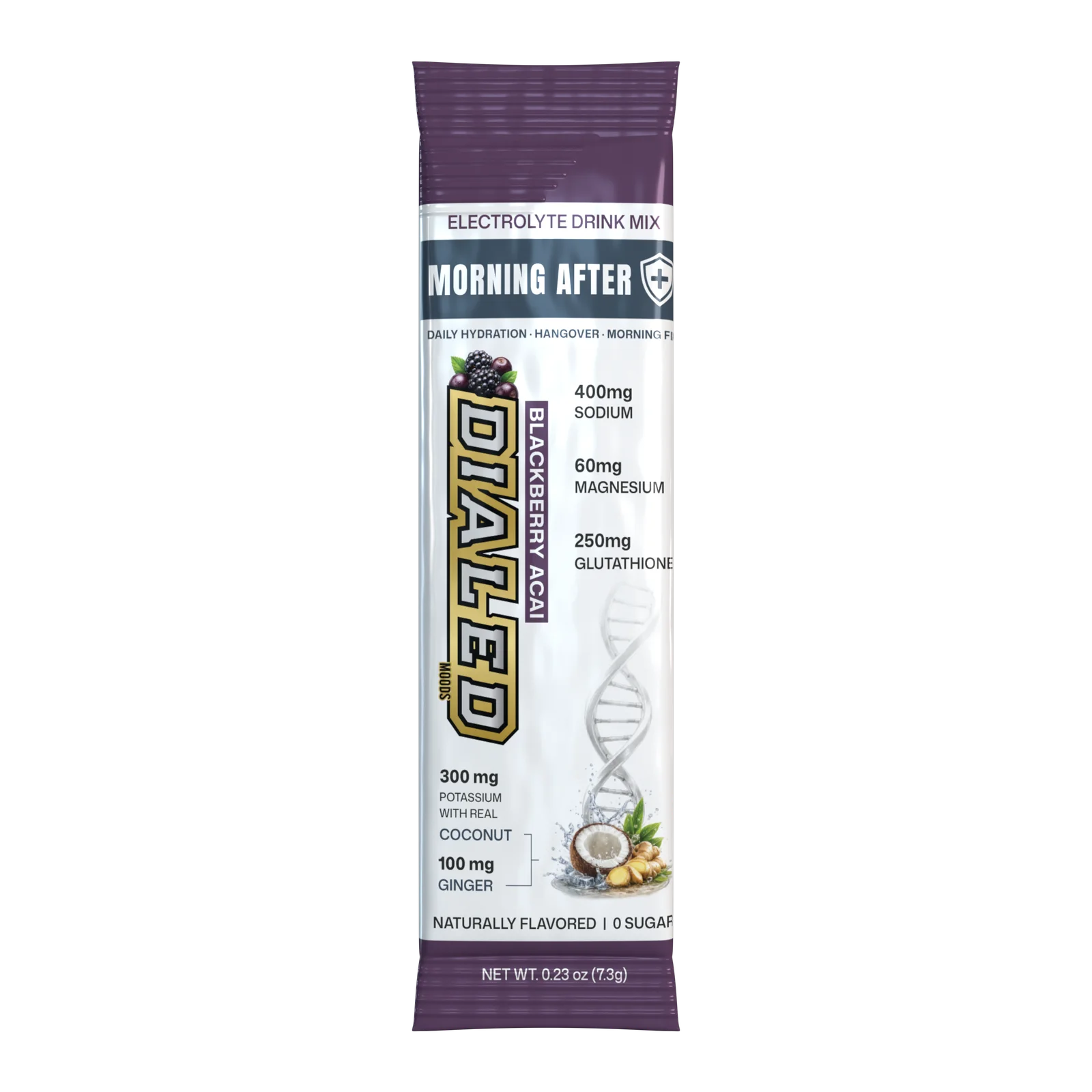
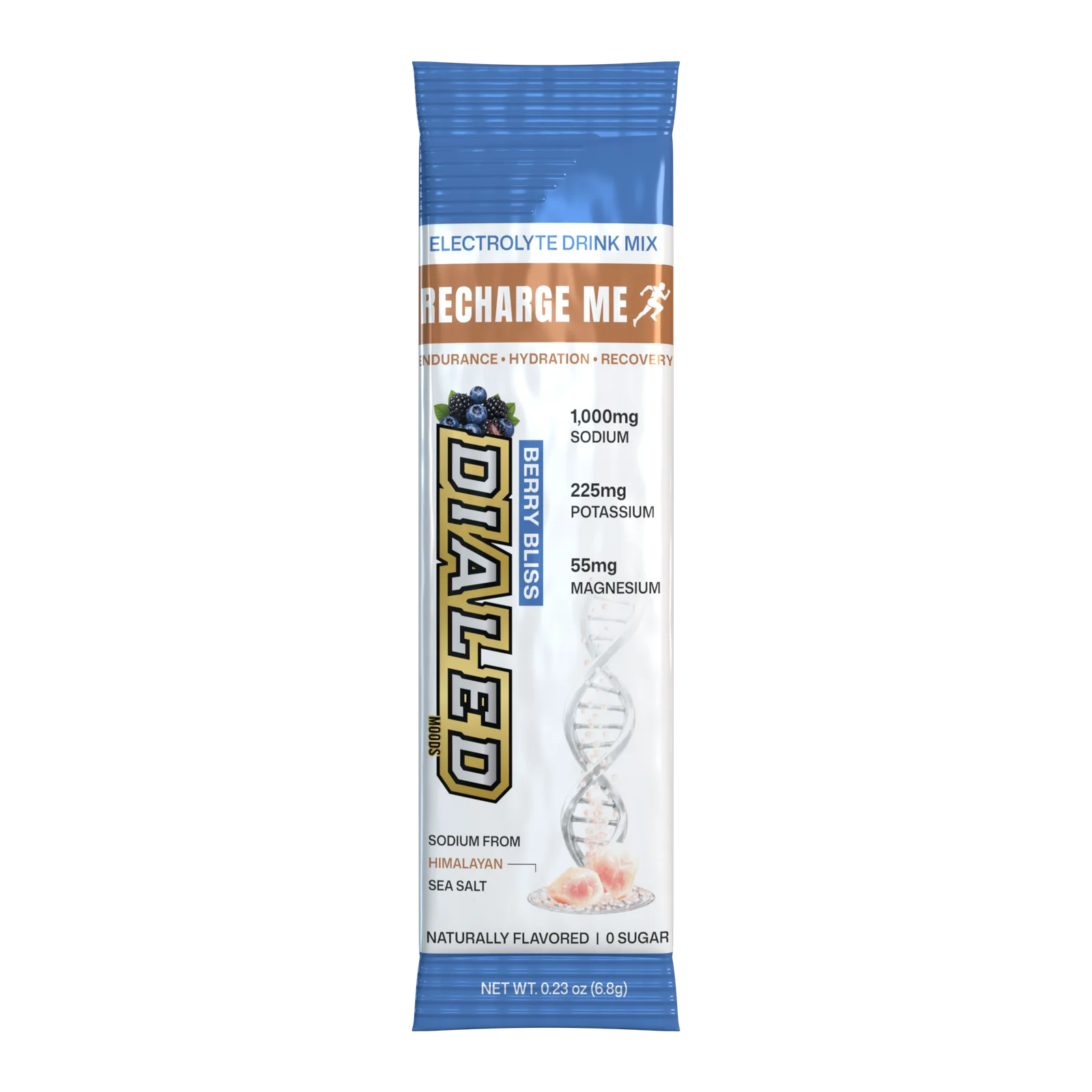
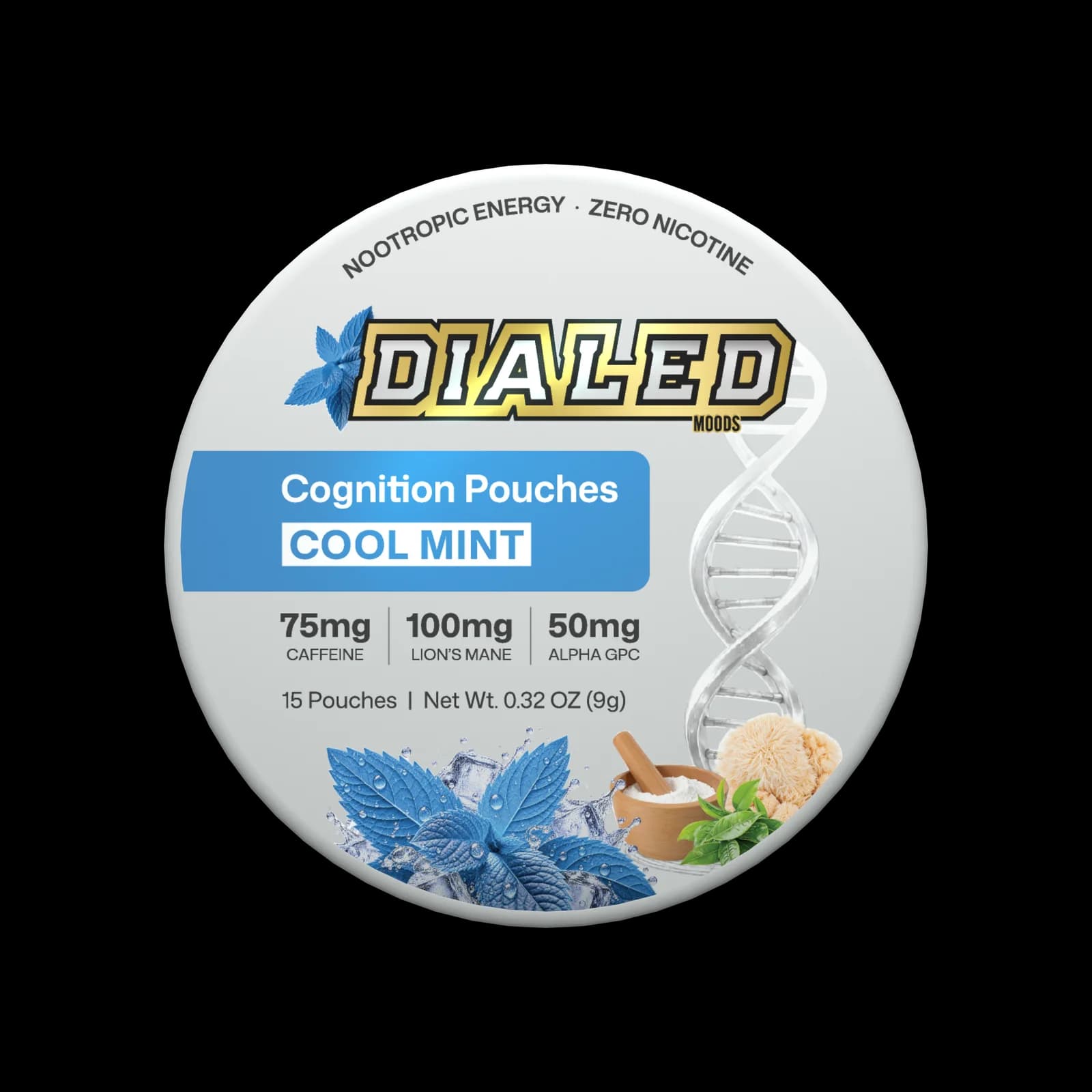
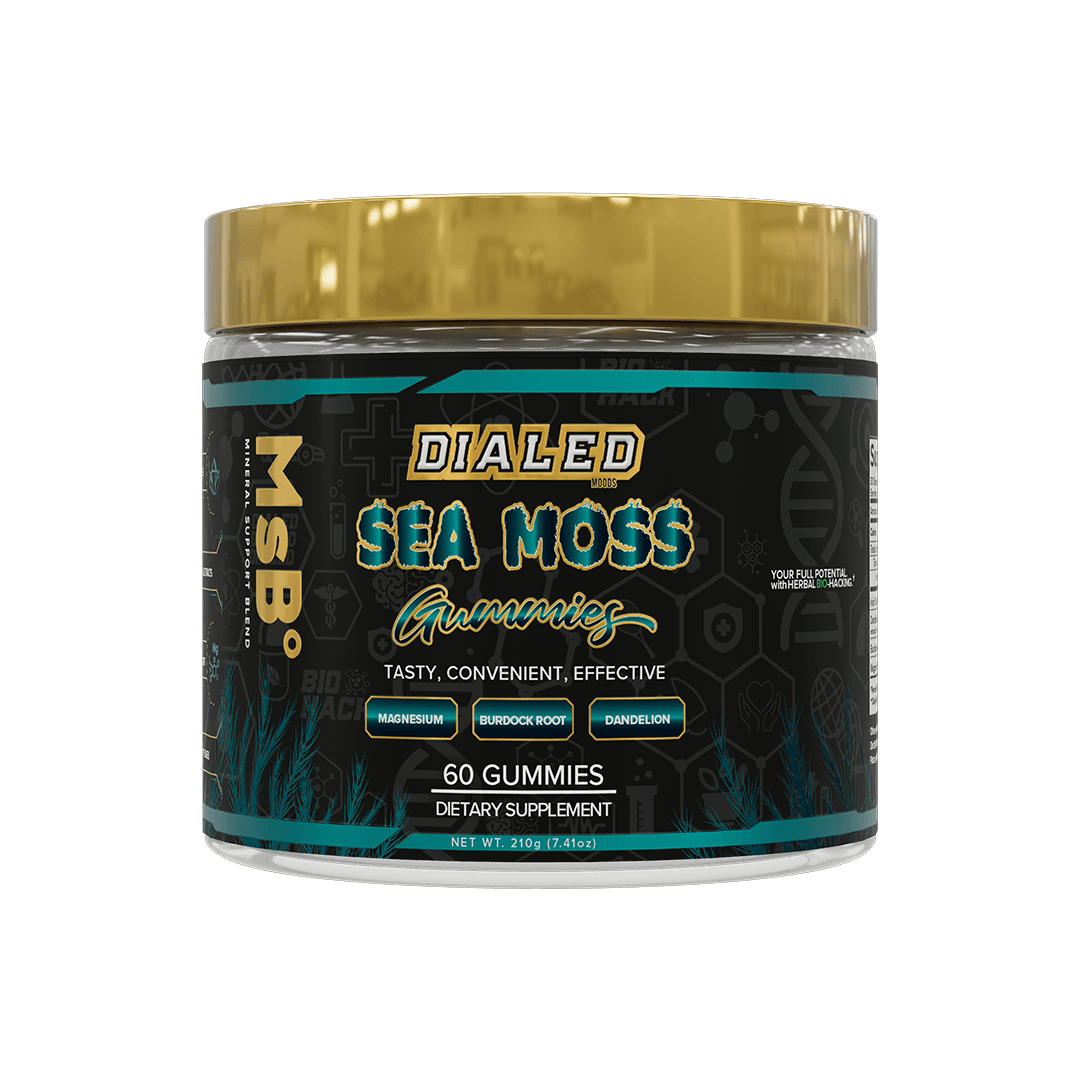
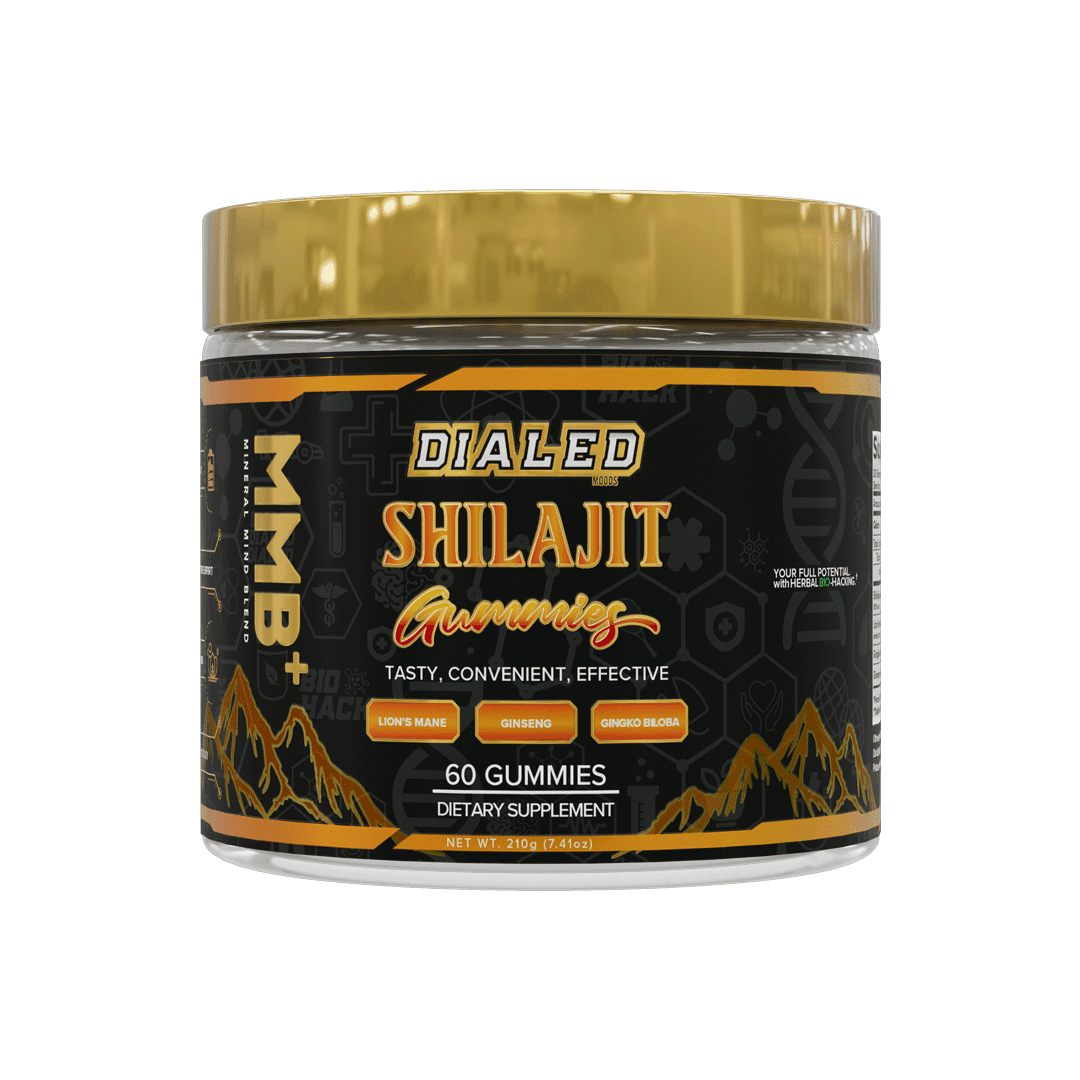
Dialed Moods kava beverages have fully disclosed active-compound content per serving, confirmed noble kava sourcing, clean natural flavoring, and third-party COA documentation. No guesswork — just effective, clean kava in every can.
Kava Drinks With Added Botanicals or Nootropics
The most effective kava drink formulations combine kava with complementary functional ingredients that enhance or extend specific benefits. Adaptogens like ashwagandha and rhodiola amplify the stress-reduction axis. Nootropics like Lion's Mane or L-theanine add cognitive clarity without sedation. Any added botanical or nootropic should be present at a dose that actually contributes to the effect, not just as a marketing label ingredient at a fraction of the effective dose. Transparency on combined ingredient dosing is as important as transparency on active-compound content.
How to Read a Kava Drink Label
The Supplement Facts or Nutrition Facts panel is your primary information source. Critical data points: active-compound content per serving (in mg), total kava root extract per serving (in mg), and whether the kava is identified as noble kava. Secondary evaluation: total sugar content (aim for under 5g per serving), caloric content (10–30 calories for a seltzer), artificial additives, and the presence of a third-party testing designation or QR code linking to a certificate of analysis. The COA should confirm active-compound content, heavy metals screening (arsenic, lead), and microbial contamination testing.
The Best Kava Drinks Available in 2025
The kava drinks 2025 ranking shares consistent attributes: fully disclosed kava extract milligrams per serving, noble kava source identification, accessible third-party COA, clean natural sweetener profile, and a clearly labeled amount per serving. Products that meet all five criteria consistently outperform those that meet three or four. Dialed Moods kava beverages meet every standard: disclosed active compounds per can, confirmed noble kava sourcing, natural flavoring without artificial dyes, and third-party testing documentation available on request.
How to Choose the Best Kava Drink for You
The best kava drink is the one that matches your goals with a product that has the transparency to back them up. Prioritize disclosed active-compound content, noble kava sourcing, and clean sweeteners. Skip anything that hides its dose or relies on marketing language over actual numbers. The market has matured — excellent options exist, and they are identifiable by the same criteria every time: dose transparency, sourcing integrity, and clean formulation.
Related reading: