


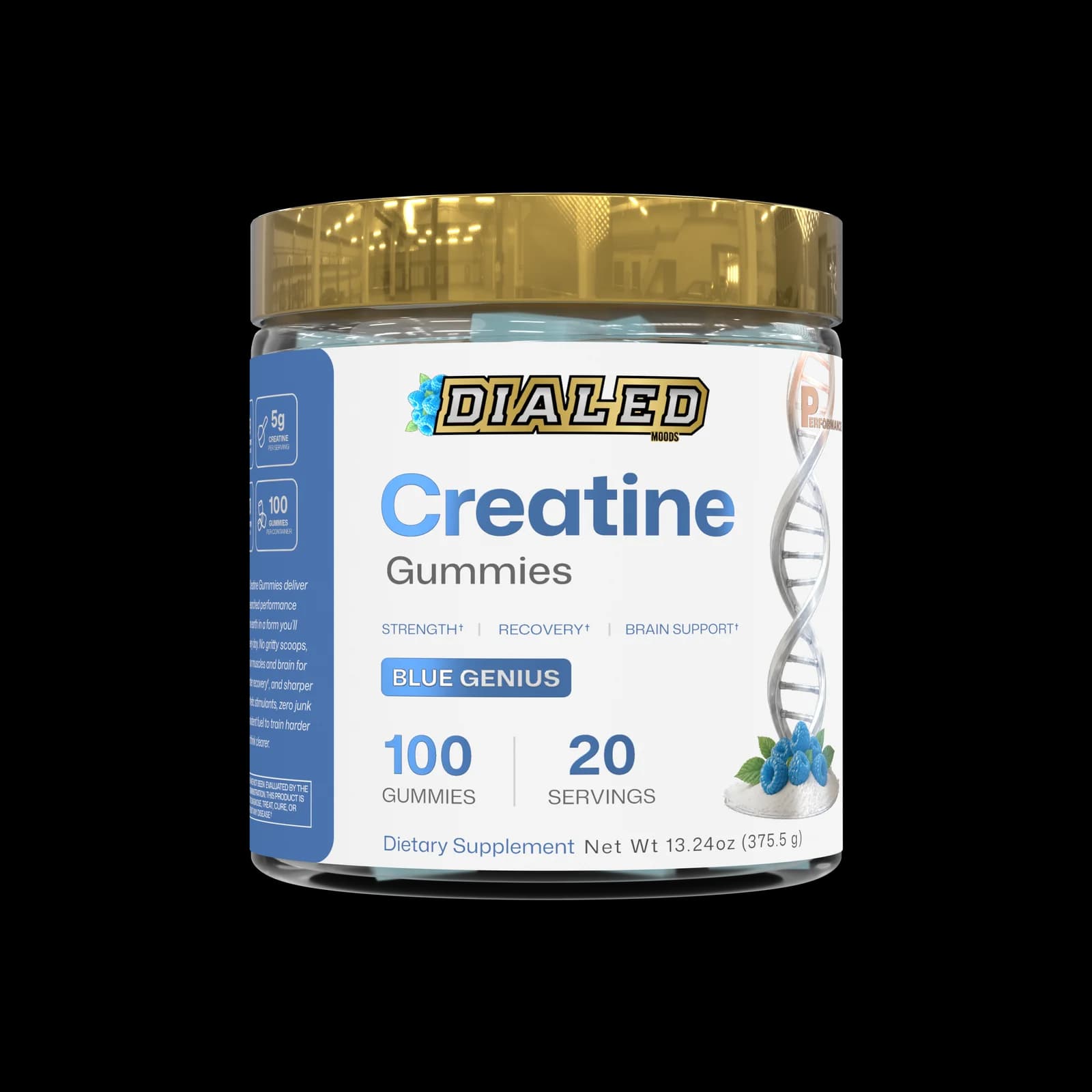
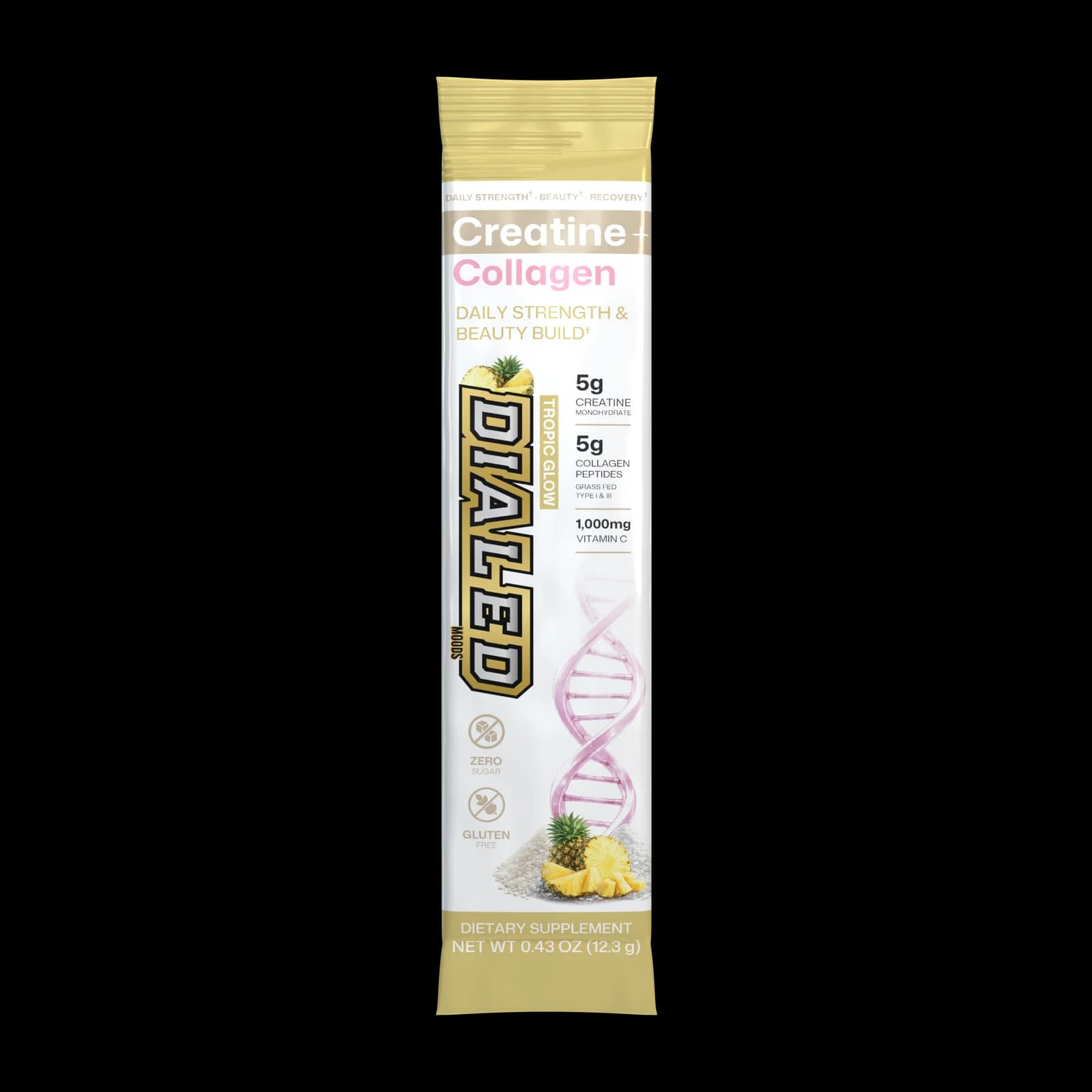
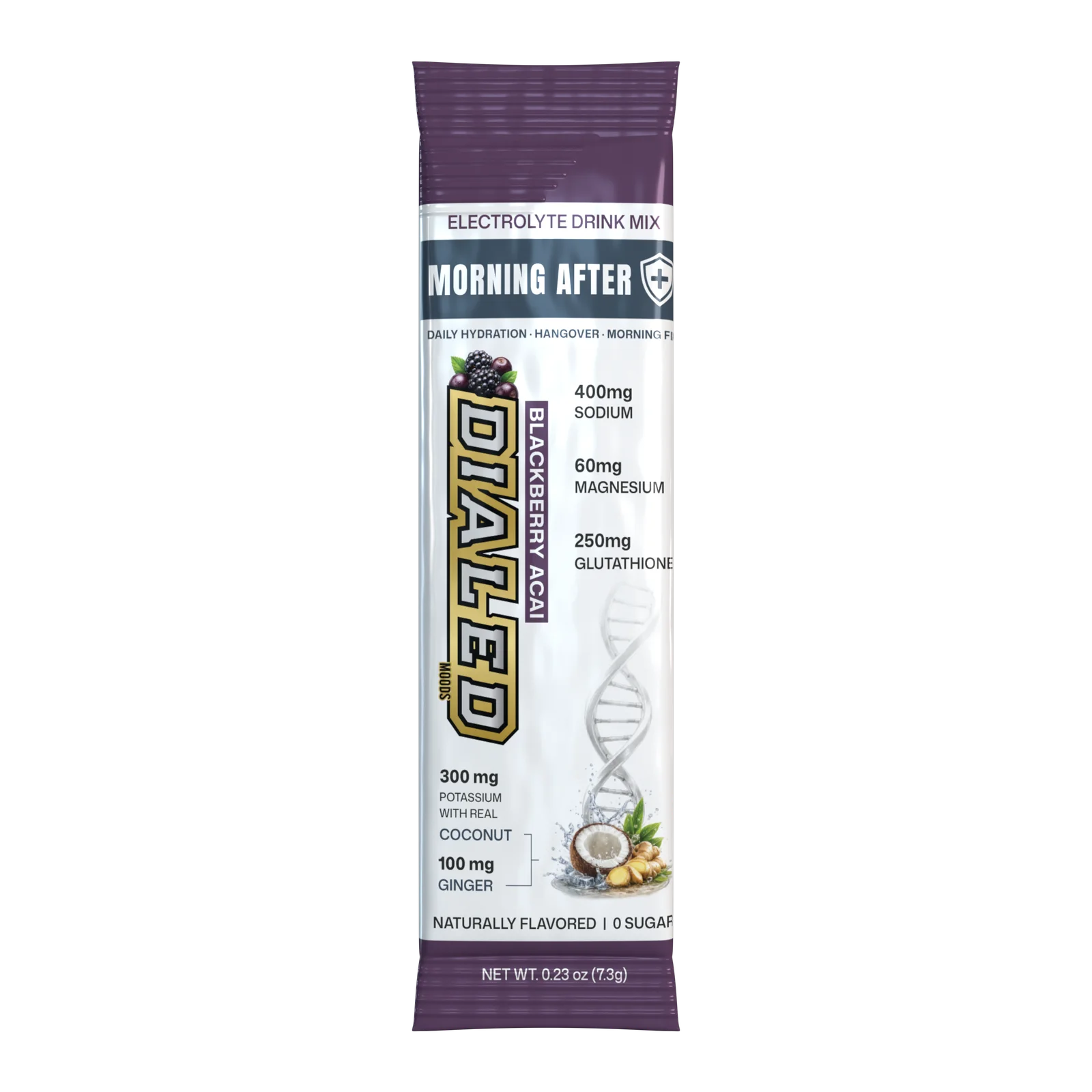
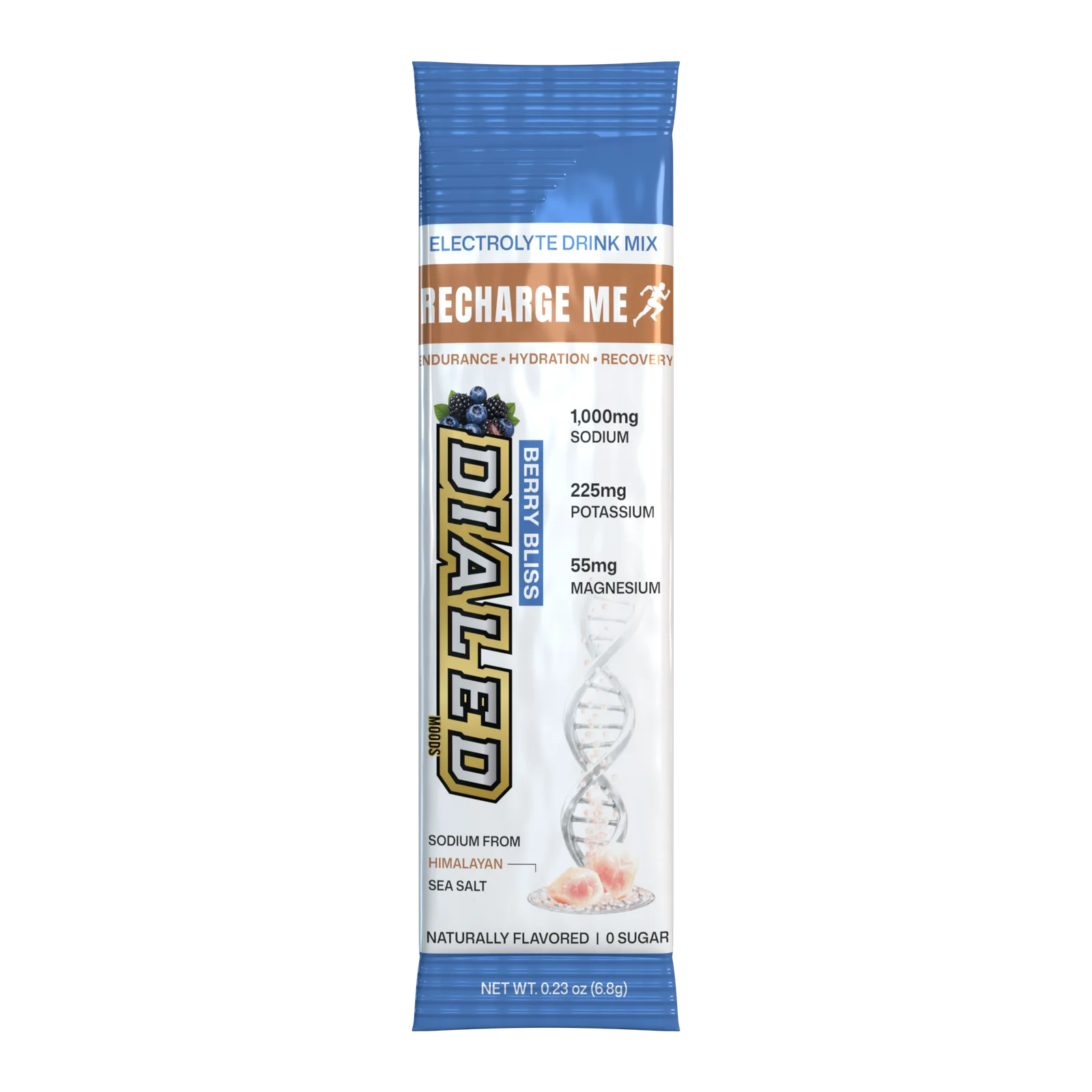

The supplement market is crowded. Protein powders, creatine, BCAAs, adaptogens — athletes are already managing complex stacks. The question isn't whether sea moss sounds interesting. The question is whether it actually moves the needle on performance and recovery. The answer for many competitive and recreational athletes is yes, and the reasoning is straightforward: sea moss delivers a concentrated profile of minerals, amino acids, and bioactive compounds that address recovery gaps that most mainstream supplements miss. Here is exactly what it brings to the table.
Why Athletes Are Adding Sea Moss to Their Daily Stack
Sea moss athletic performance support works best as part of a layered nutrition strategy, not as a replacement for fundamentals. It's not a stimulant and it's not a calorie source — it works in the background, supporting the systems that allow you to train harder and recover faster. The appeal is the breadth of its contribution: a single supplement that addresses mineral depletion, post-training inflammation, gut barrier integrity, and cardiovascular efficiency simultaneously. For athletes who have optimized protein intake and training structure but are still experiencing inconsistent recovery, slow strength gains, or recurring muscle cramps, sea moss fills the nutritional gap that sits between macronutrient optimization and full-system recovery.
Sea Moss Amino Acids and Muscle Recovery
Sea moss contains taurine, a conditionally essential amino acid critical to muscle function. Taurine is involved in calcium signaling within muscle cells — the process controlling muscle contraction and relaxation. Research shows taurine supplementation reduces exercise-induced oxidative stress and muscle soreness following resistance training. Sea moss taurine content makes it a valuable addition to post-workout recovery protocols: taurine also has osmoregulatory functions, helping muscle cells retain water and maintain electrolyte balance during and after intense exercise. Sea moss also contains citrulline precursors and arginine-related compounds that support nitric oxide production. Nitric oxide dilates blood vessels, improving oxygen and nutrient delivery to working muscles — better delivery during training means better performance, and better delivery post-training means faster repair.
Sea Moss Minerals That Support Athletic Performance
Mineral depletion during intense training is well-documented. Sweat contains sodium, potassium, magnesium, calcium, and zinc — all present in measurable quantities in sea moss. What separates sea moss from a basic electrolyte tablet is the breadth and natural bioavailability of its mineral profile. Magnesium is the cornerstone of sea moss mineral value for athletes: over 300 enzymatic reactions require magnesium, including ATP synthesis — the cellular energy currency that every muscular contraction depends on. Magnesium deficiency correlates directly with muscle cramps, reduced power output, and impaired recovery. Potassium works alongside sodium in maintaining the electrical potential across muscle cell membranes — without adequate potassium, muscle cells become prone to premature fatigue and cramp. Iron in sea moss supports red blood cell oxygen-carrying capacity, a direct performance variable for any athlete with aerobic demands.
Your Recovery Routine Deserves Better Ingredients
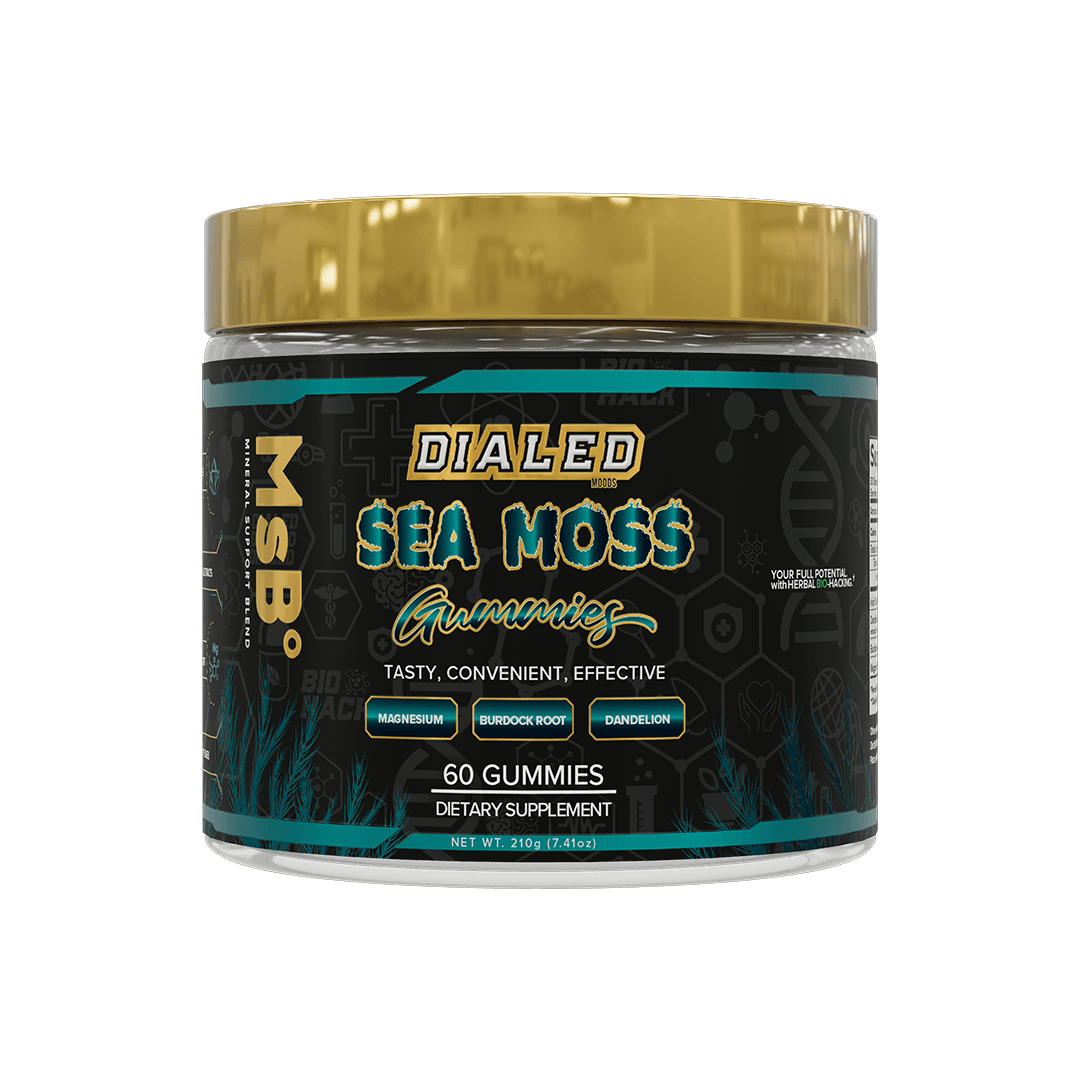
Dialed Moods sea moss gummies are tested clean and built to support the demands of active training — taurine for muscle recovery, magnesium for ATP synthesis, and fucoidan for post-training inflammation management.
Sea Moss and Post-Workout Inflammation
Post-workout inflammation is not inherently bad — it's part of the adaptation signal. But chronic, unresolved inflammation blunts recovery, increases injury risk, and shortens the window between productive training sessions. Sea moss contains fucoidans — sulfated polysaccharides with documented anti-inflammatory properties. Fucoidan has been studied for its ability to modulate inflammatory cytokines including IL-6 and TNF-alpha, the same markers that spike following high-intensity training. By attenuating excessive inflammatory response without suppressing the adaptive signal, fucoidan helps maintain the training-adaptation balance. Carrageenan, another polysaccharide in sea moss, also contributes to gut lining integrity — a compromised gut lining during intense training periods allows bacterial fragments into the bloodstream, amplifying systemic inflammation. Supporting gut barrier function through sea moss prebiotic compounds helps contain that inflammatory amplification.
How Sea Moss Supports Cardiovascular Health in Training
Aerobic capacity is governed partly by cardiovascular efficiency — how well the heart pumps oxygenated blood to working muscles. Sea moss contains potassium and magnesium in combination, which supports healthy blood pressure regulation and cardiac muscle function. Sea moss also contains fucoxanthin, an antioxidant carotenoid associated with improved lipid profiles — specifically reduced LDL oxidation and improved HDL function. Better lipid management supports arterial health over the long term, relevant to any athlete whose sport places significant demand on the cardiovascular system. For endurance athletes specifically, the iron content in sea moss supports hemoglobin production. Even mild iron insufficiency measurably reduces VO2 max and increases perceived exertion at given workloads — sea moss contributes to the broader mineral picture that supports aerobic capacity.
Sea Moss Gummies as a Convenient Supplement for Active Lifestyles
Compliance is everything. The most scientifically sound supplement does nothing sitting in your cabinet. Athletes who travel, train twice daily, or maintain strict meal prep schedules benefit from a supplement format that doesn't require refrigeration or preparation. Sea moss energy supplement athletes rely on is most effective when taken consistently. Gummies solve the compliance problem: two gummies per day, taken pre-workout, post-workout, or with a morning meal, integrate seamlessly into existing routines. When evaluating sea moss gummies for athletic use, look for formulations that disclose milligrams of sea moss per serving, carry third-party testing for heavy metals and contaminants, and avoid excessive added sugars that can interfere with post-training insulin response. Multi-ingredient formulas combining sea moss with burdock root, dandelion, or magnesium citrate offer stacked recovery benefits that align well with athlete priorities.
Sea Moss for Athletes: The Recovery Layer Your Stack Is Missing
Protein handles repair. Creatine handles power output. Sea moss handles the recovery layer that neither address: post-training inflammation management, mineral depletion correction, nitric oxide support for blood flow, and gut barrier integrity for systemic inflammation control. For athletes experiencing inconsistent recovery, recurring cramps, or plateaued performance despite optimal macronutrient intake, sea moss is the logical next addition — not a replacement for fundamentals, but the layer between fundamentals and full-system optimization.
Related reading: