



Most people pick an electrolyte packet based on flavor or price, then wonder why they're still cramping or dragging through afternoon workouts. The problem isn't hydration in general — it's the specific minerals, amounts, and ingredient quality in what they're actually drinking. The core electrolytes your body loses through sweat are sodium, potassium, magnesium, and chloride. Products that rely solely on sodium and skip potassium and magnesium are underformulated — they address one mechanism of dehydration while leaving others unmanaged. Here is the framework to cut through the noise.
The Key Electrolytes Every Quality Packet Should Contain
Sodium is the dominant electrolyte in extracellular fluid and the primary driver of thirst and fluid retention. Salty sweaters lose 1,500 to 2,300mg of sodium per hour during intense exercise. A quality packet should deliver at least 500mg per serving. Potassium governs intracellular fluid balance and is critical for muscle contraction and heart rhythm — look for at least 150 to 200mg per packet. Magnesium is involved in hundreds of biochemical reactions including ATP production and is the electrolyte most commonly deficient in active adults. Magnesium glycinate and magnesium malate are the forms that absorb best and cause the least digestive disruption. Chloride pairs with sodium to maintain fluid osmolality — its presence ensures a more complete ionic profile that mirrors what sweat actually removes.
Sugar-Free vs Low-Sugar Electrolyte Packets
For general hydration, training, or fasting, zero-sugar packets sweetened with stevia or monk fruit are the cleanest option — they don't contribute to blood sugar variability and keep daily caloric intake unaffected. Low-sugar options (typically 2 to 5g of sugar per serving) can have some utility for endurance athletes needing a small carbohydrate stimulus during prolonged activity. For anything under 90 minutes of exercise, however, that sugar provides no performance advantage and adds unnecessary glycemic load. NIH research on sports nutrition consistently shows that the hydration benefit from electrolytes doesn't require co-ingested sugars for most recreational athletes.
Electrolyte Packet Potency: Milligrams Matter
One of the most misleading aspects of electrolyte marketing is the omission of milligram values in favor of vague language like "electrolyte blend" or "proprietary formula." Those phrases often signal that minerals are present at token amounts — not the therapeutic doses your body needs after real exertion. Verify actual milligram amounts on the supplement facts panel. Minimum targets for a high-quality packet: sodium 500mg+, potassium 150mg+, magnesium 40mg+, chloride 400mg+. Products that list only "electrolyte blend" without individual milligram values are making informed dosing impossible — and are often delivering 20 to 50% of the amounts necessary for meaningful hydration support.
Don't Settle for a Subpar Electrolyte
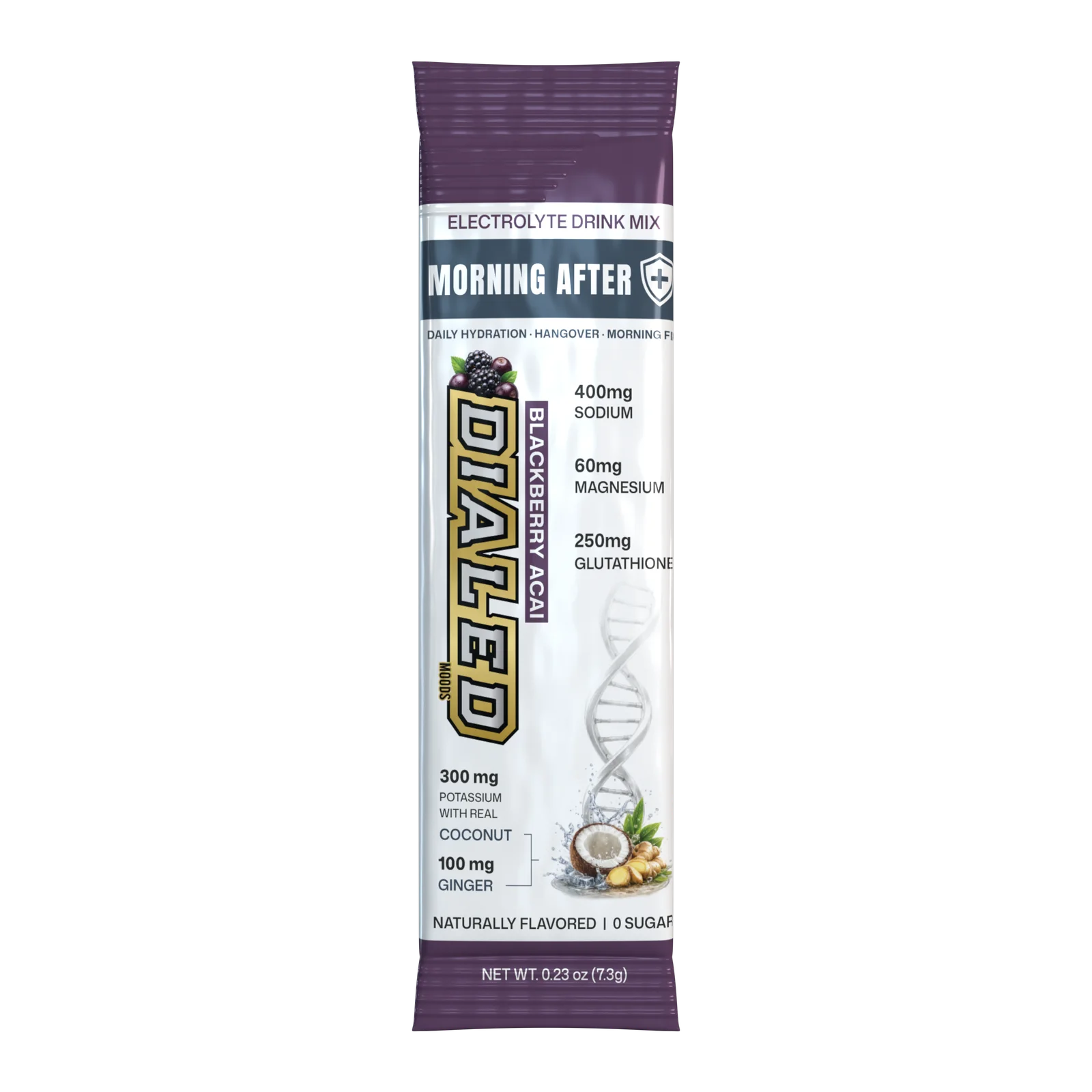
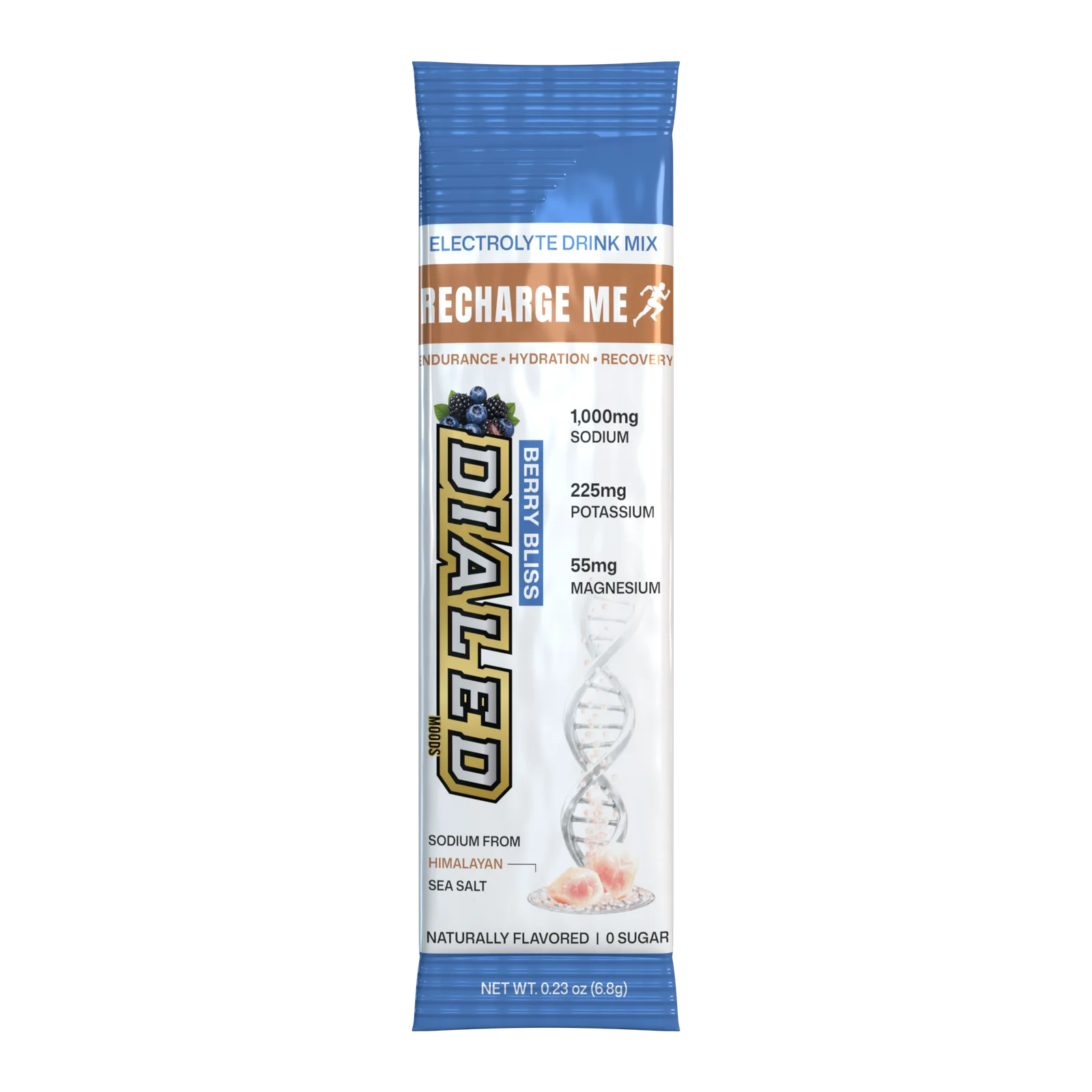
Dialed Moods electrolyte packets deliver transparent milligram dosing, clean-label ingredients, and the sodium, potassium, and magnesium doses your performance and recovery actually require — in every serving.
Flavor Variety and Mixability in Top Electrolyte Packets
If a product doesn't taste good or dissolves poorly, you won't use it consistently — and consistency is the entire point. Top-rated electrolyte packets mix completely in 10 to 16oz of room-temperature water within 30 to 60 seconds. Any residue, clumping, or chalky texture suggests poor carrier ingredients or low-quality mineral salts. Flavor variety matters for long-term adherence. Rotating between citrus, berry, and unflavored options keeps the habit from becoming monotonous. Brands using natural fruit extracts for flavoring deliver better taste than those relying on artificial flavor compounds — and avoid the synthetic aftertaste that often comes with lower-end formulations.
Third-Party Testing and Clean Label Standards
Third-party testing from NSF Certified for Sport or Informed Sport certifications verifies that what's on the label matches what's in the product and confirms the absence of banned substances, heavy metals, or undisclosed ingredients. For athletes subject to drug testing, these certifications aren't optional — they're required due diligence. Clean label standards go beyond certification: no artificial dyes, no proprietary blends masking under-dosing, no unnecessary fillers like maltodextrin or silicon dioxide above trace amounts, and no synthetic preservatives. The Cleveland Clinic notes that consumers evaluating supplement quality should prioritize products with third-party verification over marketing claims alone.
The Best Electrolyte Packets Worth Using in 2025
The standout electrolyte packets in 2025 share a consistent profile: 500mg or more of sodium, at least 150mg of potassium, meaningful magnesium content, zero artificial dyes, and transparent dosing on the label. Products meeting all criteria include those with NSF or Informed Sport certification and a track record of consistent formulation. Beyond the formulation, consider your specific use case: athletes performing two-a-days or training in heat need higher sodium packets; casual daily users prioritize taste and convenience; keto or fasting users need zero carbs. The best electrolyte packet is the one that fits your physiology, your goals, and your lifestyle — not just whichever brand has the most visible marketing presence.
Electrolyte Quality Is Label-Readable — Use the Framework
The difference between a high-quality electrolyte packet and an underformulated one is visible on the label. Disclosed milligrams, clean sweeteners, third-party testing, and a complete electrolyte spectrum are not luxury features — they're baseline requirements for a product that actually delivers on its hydration and performance claims. Use the evaluation criteria in this guide, check the supplement facts panel, and choose accordingly.
Related reading: