



You're several hours into your fasting window and the headache creeping in isn't about willpower — it's about electrolytes. Fasting accelerates fluid and mineral loss, and plain water alone won't fix it. When insulin levels drop during a fast, the kidneys switch into a sodium-excreting mode. Sodium pulls water with it, and when water goes, potassium and magnesium follow. The right electrolyte packets are built exactly for this scenario — zero calories, zero insulin response, and the mineral ratios your body actually needs during extended fasting.
Why Fasting Depletes Electrolytes Faster Than Normal
When you stop eating, your body shifts from burning glucose to mobilizing stored fat for fuel. As insulin levels drop, the kidneys excrete more sodium. The longer your fasting window, the more pronounced this effect becomes. Extended fasting protocols — anything beyond 16 hours — put you at meaningful risk of electrolyte depletion, especially if you're also physically active. NIH research confirms that sodium reabsorption changes significantly with insulin fluctuations, which explains why intermittent fasters commonly report symptoms that mirror mild hyponatremia — not a flaw in fasting, but physiology that needs to be managed.
Do Electrolyte Packets Break a Fast
The answer depends entirely on what's in the packet. Breaking a fast means triggering an insulin response significant enough to interrupt fat burning or autophagy. Calories — particularly carbohydrates and proteins — are the primary triggers. True zero-calorie electrolyte packets containing only minerals and perhaps a trace of natural flavoring do not break a fast. They contain no macronutrients and cause no measurable insulin spike. However, packets containing sugars, maltodextrin, BCAAs, or significant amounts of glucose-based carriers will interrupt your fasted state even if the calorie count appears low. Read ingredient labels carefully — marketing language like "clean" or "natural" doesn't guarantee a packet is fasting-safe. Look for zero total carbohydrates and zero sugars on the nutrition facts panel.
Which Electrolytes Are Most Important During Intermittent Fasting
Sodium is the electrolyte most rapidly lost during fasting — because insulin suppression directly affects sodium retention in the kidneys, fasters often need more sodium than typical dietary intake provides. Aim for electrolyte packets delivering at least 300 to 500mg of sodium per serving during extended fasting windows. Potassium works alongside sodium to regulate fluid balance and muscle function — a significant drop contributes to cramping and cardiac irregularities in extreme cases. Look for packets providing 100 to 200mg or more per serving. Magnesium is the mineral most commonly deficient in fasting populations, yet often undertreated in electrolyte formulations. Magnesium glycinate or malate forms absorb best without causing digestive upset.
Get Your Fasting Hydration Right From Day One
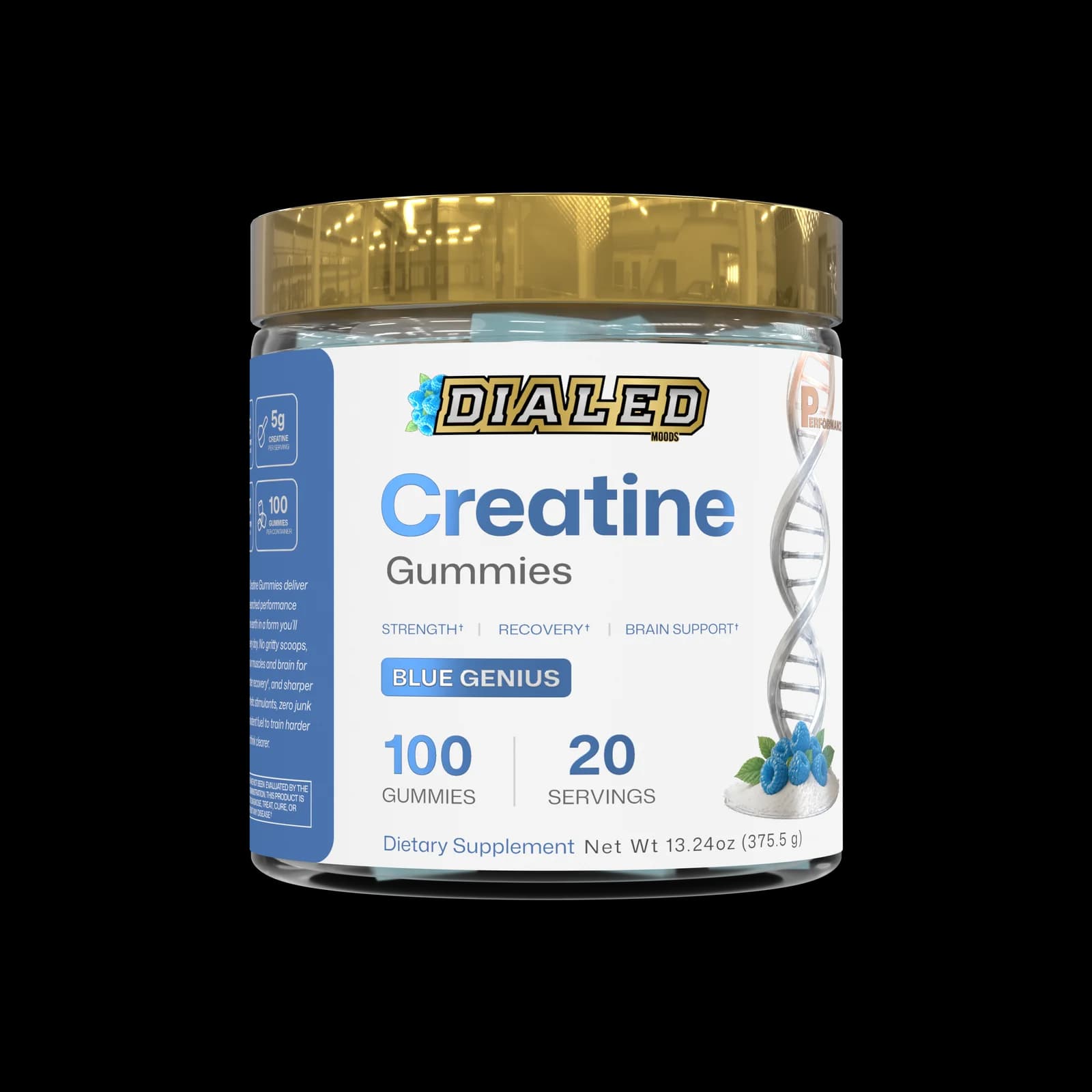
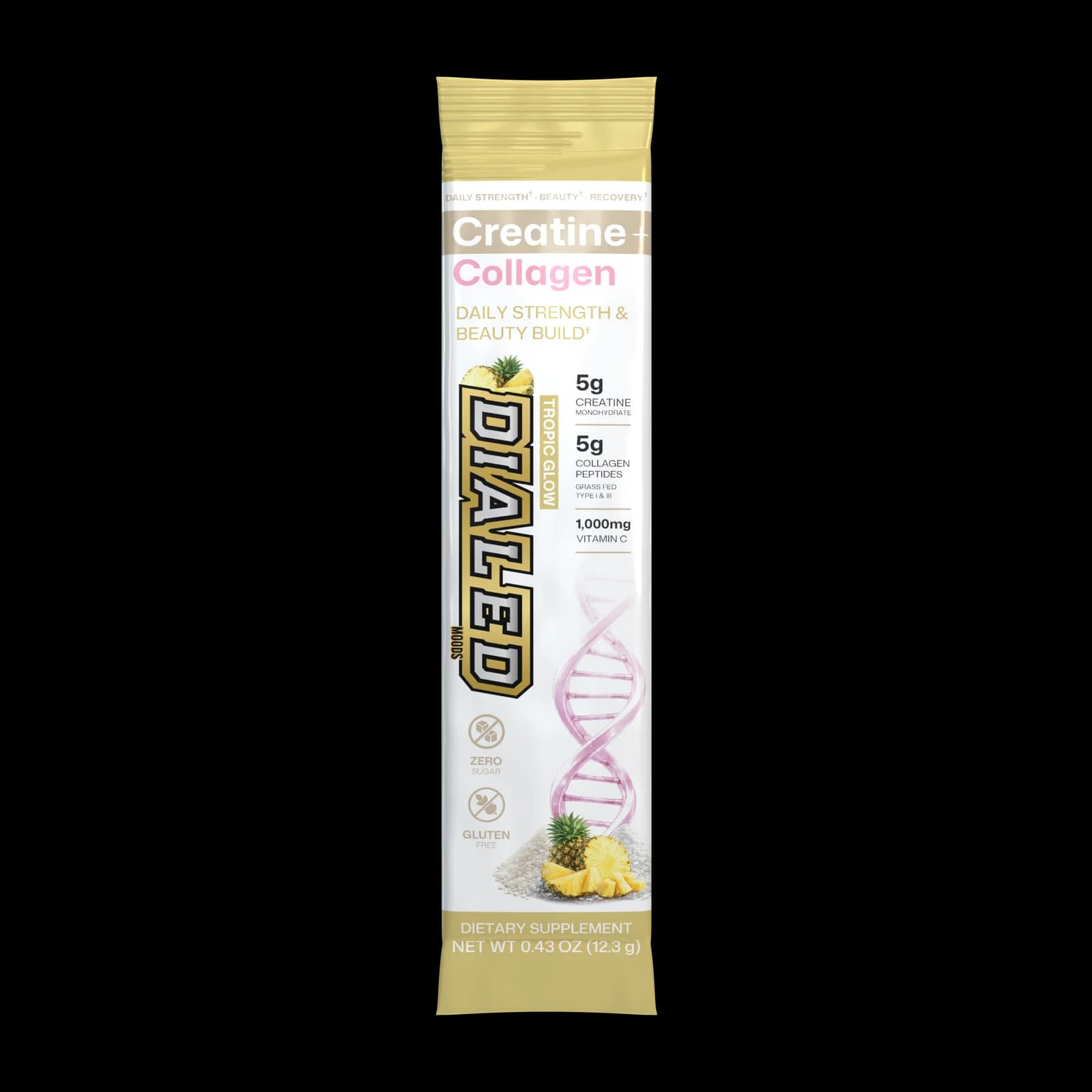
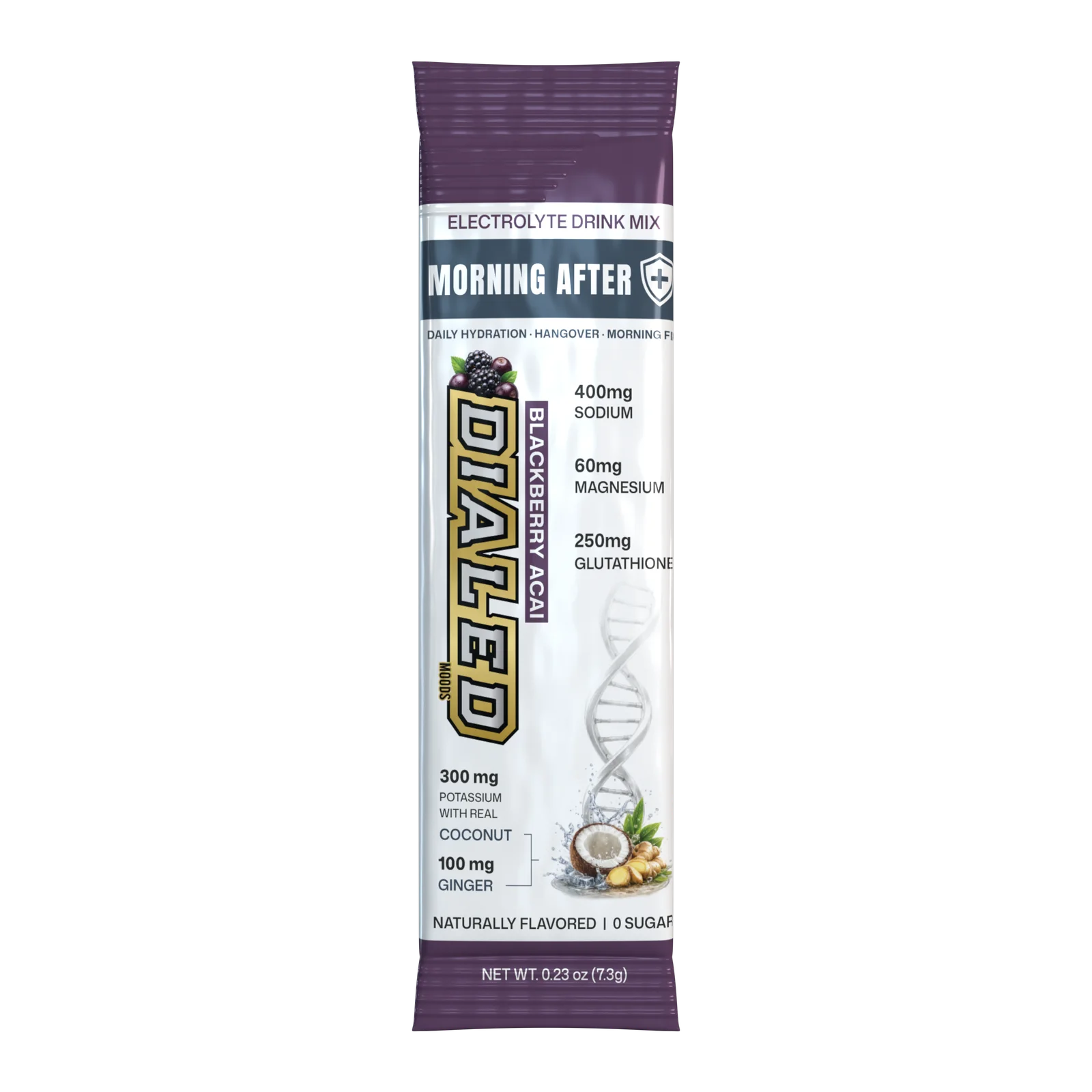
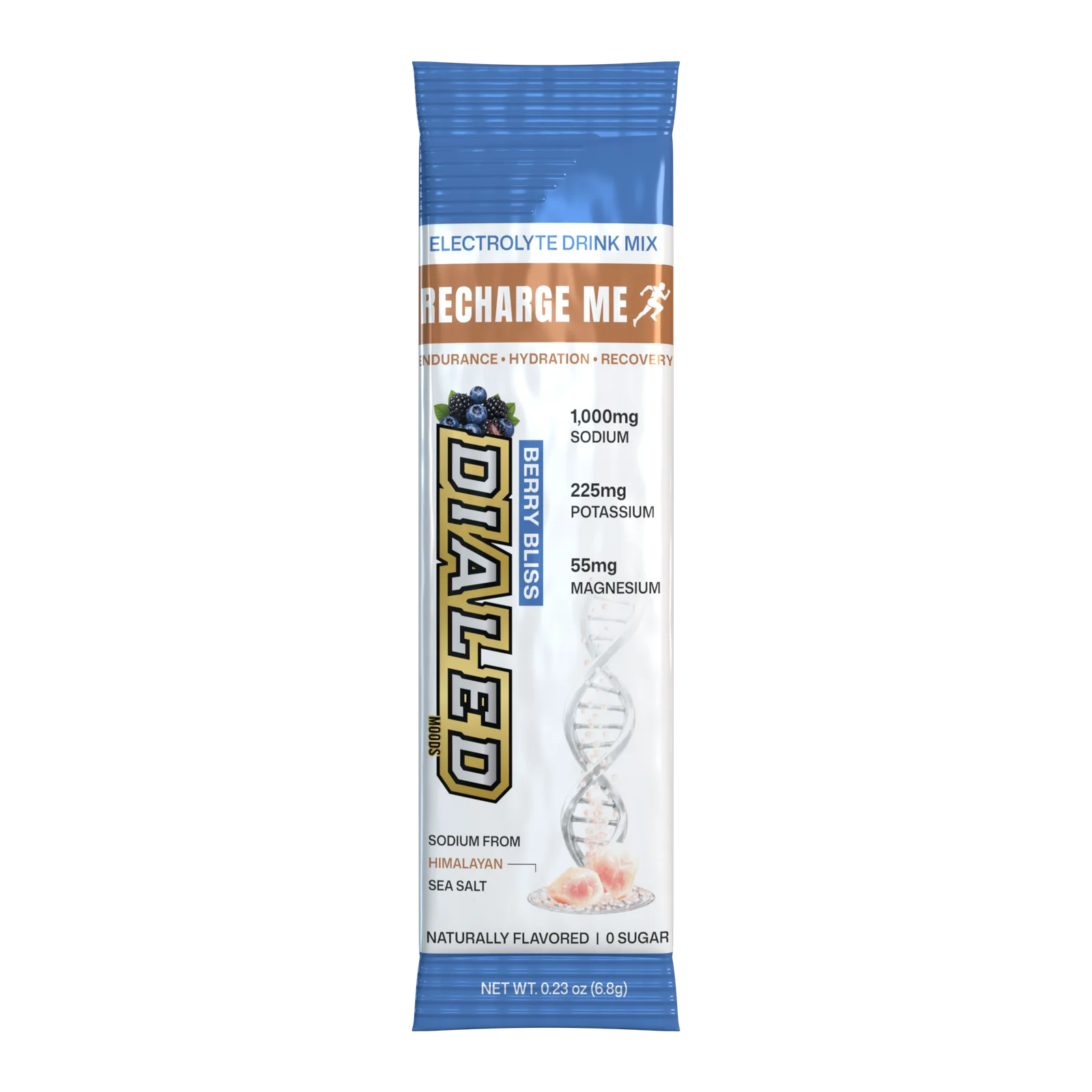
Dialed Moods electrolyte packets are zero sugar, zero calories, and formulated with the mineral ratios your body needs during extended fasting windows — without breaking your fast or disrupting ketosis.
Zero-Calorie and Zero-Sugar Electrolyte Packets for Fasting
The cleanest fasting-compatible options contain sodium (from sodium chloride or sodium citrate), potassium, and magnesium with no sugars, no artificial dyes, and no amino acid additions. Products sweetened with stevia or monk fruit are generally acceptable for fasting purposes — these sweeteners have near-zero glycemic index and don't trigger an insulin response in the way sucrose can. If following a strict water fast or therapeutic fasting protocol, consult with a healthcare provider about whether any additives are appropriate for your specific context. The sodium-to-calorie ratio is a useful filtering tool: a quality fasting electrolyte packet should deliver meaningful sodium content without a single gram of carbohydrates.
When to Take Electrolyte Packets During a Fasting Window
Most fasters experience their lowest electrolyte levels in the morning after an overnight fast, making that first waking hour a practical window for supplementation. Taking an electrolyte packet with 12 to 16oz of water before coffee reduces the diuretic effect of caffeine, which further depletes sodium and potassium. If your fasting window extends past 20 hours, consider splitting your electrolyte intake across two servings — one in the morning and one in the early afternoon. Doubling up in one sitting is rarely necessary and may cause loose stools with magnesium-rich formulations. For longer therapeutic fasts under medical supervision, Mayo Clinic guidelines suggest monitoring for signs of refeeding syndrome during the transition out, and electrolyte management plays a significant role in that process.
Signs You Need More Electrolytes While Fasting
Your body communicates electrolyte needs clearly when you know what to look for. Throbbing or tension-style headaches that worsen through the morning, muscle cramps (especially in calves or feet), lightheadedness when standing quickly (orthostatic hypotension), mental fog or unusual irritability, and heart palpitations or a fluttery sensation in the chest are all signals to act on — not push through. Adding a high-sodium electrolyte packet to cold water and drinking it slowly within 15 minutes typically resolves these symptoms within 30 to 45 minutes if electrolyte depletion is the cause. If symptoms persist after electrolyte supplementation, they may have another cause and warrant medical attention.
Electrolytes While Fasting: The Non-Negotiable That Keeps Your Fast Working
Preventable symptoms — headaches, muscle cramps, brain fog, lightheadedness — are the most common reason people break their fast early or abandon their protocol entirely. All of these symptoms are manageable with zero-calorie electrolyte packets that replace the sodium, potassium, and magnesium that insulin suppression is continuously excreting. The packet doesn't break your fast. It protects it.
Related reading: