



If you've been reaching for Gatorade after workouts or during hot days, you're essentially paying for sugar water with a trace of electrolytes. A standard 20oz bottle of Gatorade Thirst Quencher contains 34 grams of sugar and delivers roughly 270mg of sodium and 75mg of potassium — a mineral profile that falls significantly short of what heavy sweaters actually lose. Here is the complete ingredient-by-ingredient comparison before your next grocery run.
What Gatorade Actually Contains Per Serving
A standard 20oz bottle of Gatorade Thirst Quencher contains 34 grams of sugar — nearly as much as a can of soda. That sugar comes primarily from sucrose and dextrose, both of which are rapidly absorbed and spike blood glucose. For elite athletes burning through glycogen stores mid-competition, that glucose hit has some merit. For most people drinking Gatorade as everyday hydration or post-workout recovery, it's unnecessary caloric load. Beyond the sugar, Gatorade contains modified food starch, natural flavor, and artificial dyes — Yellow 5 and Yellow 6 in Lemon-Lime. The electrolyte content itself is modest: sodium around 270mg and potassium around 75mg per 20oz bottle — a notably low potassium figure for a drink whose entire identity is built on electrolyte replenishment.
What a Quality Electrolyte Packet Contains Per Serving
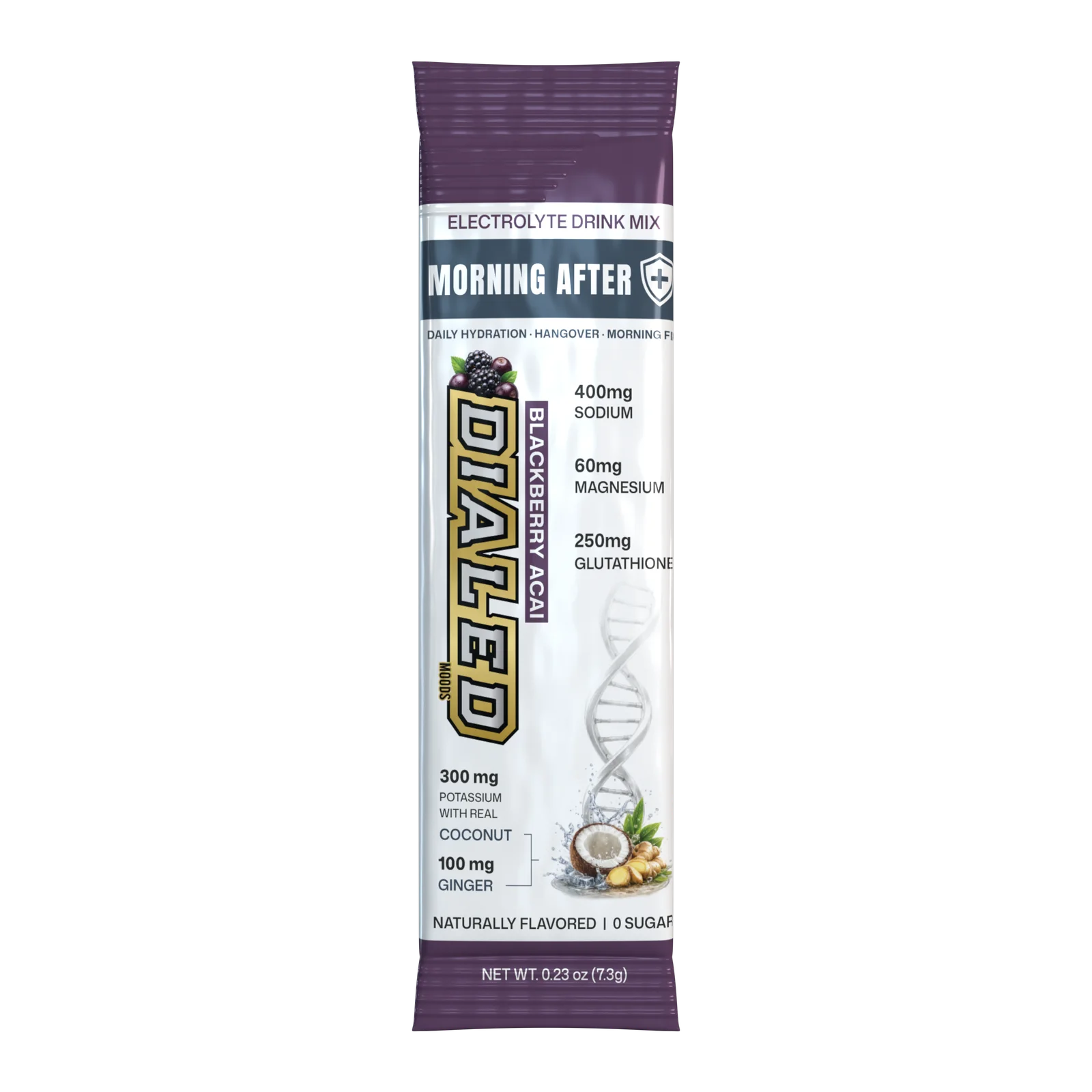
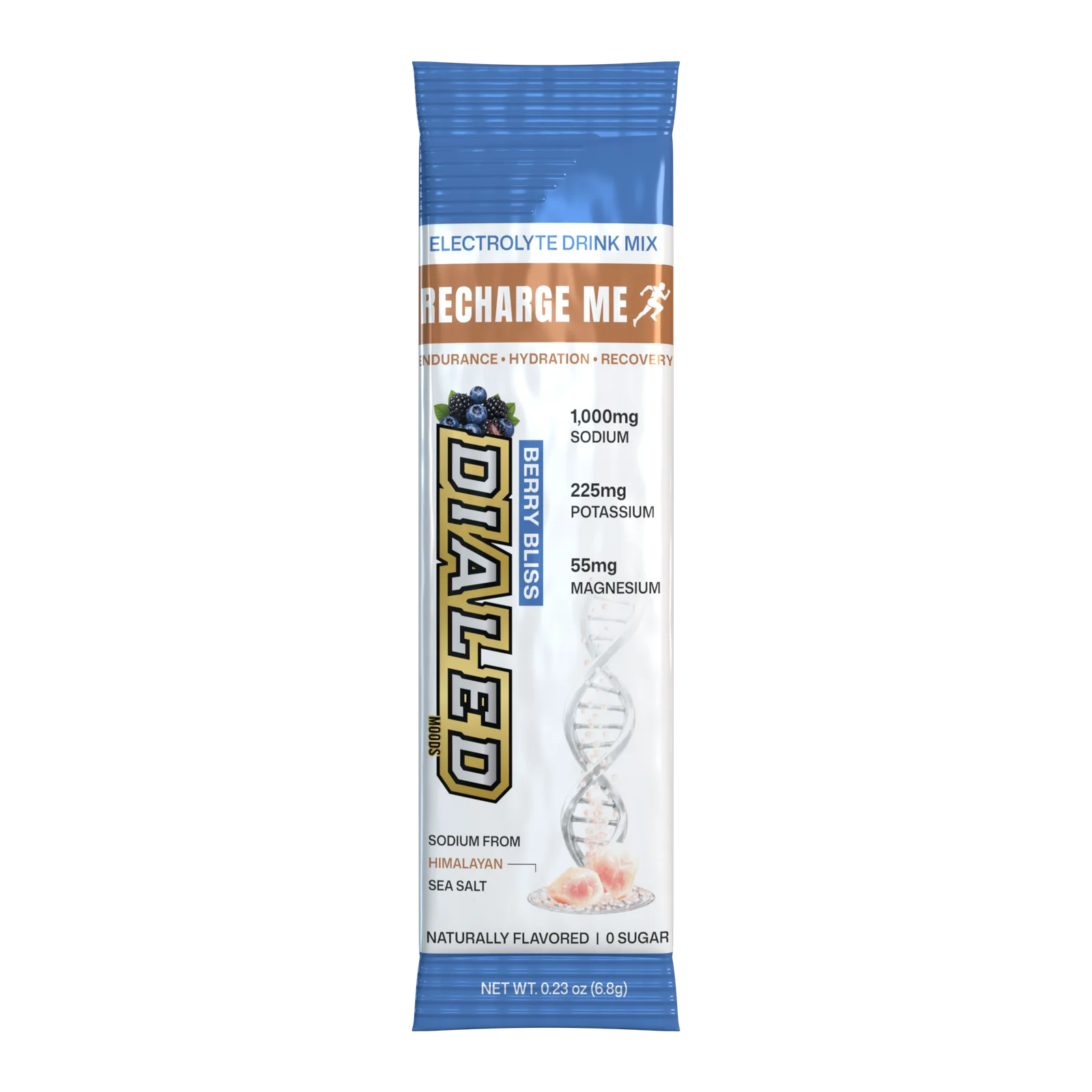
A well-formulated electrolyte packet is built around minerals first, with everything else secondary. The best options deliver 500 to 1,000mg of sodium, 200 to 400mg of potassium, and 40 to 100mg of magnesium per packet — a mineral profile that meaningfully outperforms Gatorade's per-serving delivery in every category. Quality electrolyte packets also use clean-label ingredients: no artificial dyes, no modified starches, and sweetening from stevia or monk fruit rather than sucrose. The result is a product that actually accomplishes what Gatorade markets itself as doing — replenishing what sweat removes — without the 34 grams of sugar that makes it a poor choice for daily or non-competition hydration.
Sugar and Calorie Differences: A Side-by-Side Look
The calorie and sugar gap between Gatorade and a clean electrolyte packet changes the math on everyday hydration decisions. Gatorade delivers 140 calories and 34g of sugar per 20oz, with 270mg sodium, 75mg potassium, and 0mg magnesium. A quality electrolyte packet delivers 0 to 10 calories, 0g sugar, 500 to 1,000mg sodium, 200 to 400mg potassium, and 40 to 100mg magnesium — while also containing no artificial dyes. If you train daily and drink Gatorade consistently, at 34g per bottle and even three bottles a week, that's over 100 extra grams of sugar weekly from a product you're consuming for health benefits. Switching to an electrolyte powder better than Gatorade in mineral density can dramatically change hydration quality without adding to daily sugar intake.
Make the Switch to What Actually Works
Dialed Moods electrolyte packets outperform Gatorade in every category that matters — mineral density, ingredient quality, and real hydration efficiency. Zero sugar, zero artificial dyes, and triple the mineral content per serving.
Artificial Dyes and Additives in Gatorade vs Clean Electrolyte Packets
The dye conversation is harder to ignore than marketing suggests. NIH research links certain artificial dyes to behavioral effects in sensitive populations, and the European Union requires warning labels on products containing Yellow 5 and Yellow 6. Gatorade uses artificial coloring in most of its flavors, while premium electrolyte packets rely on fruit and vegetable extracts for color, if they use any coloring at all. For adults consuming these drinks regularly over months and years, the cumulative difference in additive exposure between the two product categories is meaningful — particularly for anyone managing inflammatory conditions or following a clean-label nutrition approach.
Performance Comparison: Which Hydrates You More Effectively
Hydration effectiveness isn't just about fluid volume — it's about osmolality and mineral ratios that facilitate cellular absorption. Water follows sodium through osmotic gradients, meaning higher-sodium electrolyte solutions drive more efficient fluid absorption at the cellular level than a low-sodium, high-sugar drink like Gatorade. Harvard Health research suggests sodium is the primary driver of hydration retention post-exercise, and most commercial sports drinks — including Gatorade — deliver sodium at levels that fall short of what heavy sweaters actually need. Clean electrolyte packets also contain no sugar to slow gastric emptying, meaning fluids consumed with them reach cells faster — which is the actual goal of post-workout hydration.
Cost and Convenience: Packets vs Bottled Sports Drinks
Electrolyte single-serve packets are typically more cost-effective per serving than Gatorade. A bottle of Gatorade at retail runs $1.50 to $2.50 depending on location. A quality electrolyte packet typically costs $1.00 to $1.75 per serving and delivers substantially more mineral content. The travel and portability advantage is also real: a few electrolyte packets in a gym bag or carry-on take almost no space and pass through airport security without liquid restrictions, while Gatorade bottles add bulk and weight. For people who want consistent daily hydration without planning around bottle sourcing, the on-the-go electrolyte packet format wins.
The Switch From Gatorade to Electrolyte Packets Is Simple and Worth It
Gatorade was designed for elite athletes competing in high-heat conditions where the glucose and sodium combination served a specific purpose. For everyone else using it as daily hydration or post-workout recovery, the 34 grams of sugar, artificial dyes, and underdosed electrolyte profile represent a poor trade-off. Clean electrolyte packets deliver more sodium, more potassium, added magnesium, zero sugar, and zero artificial dyes — at a lower or equivalent cost per serving. The case for making the switch is straightforward.
Related reading: