




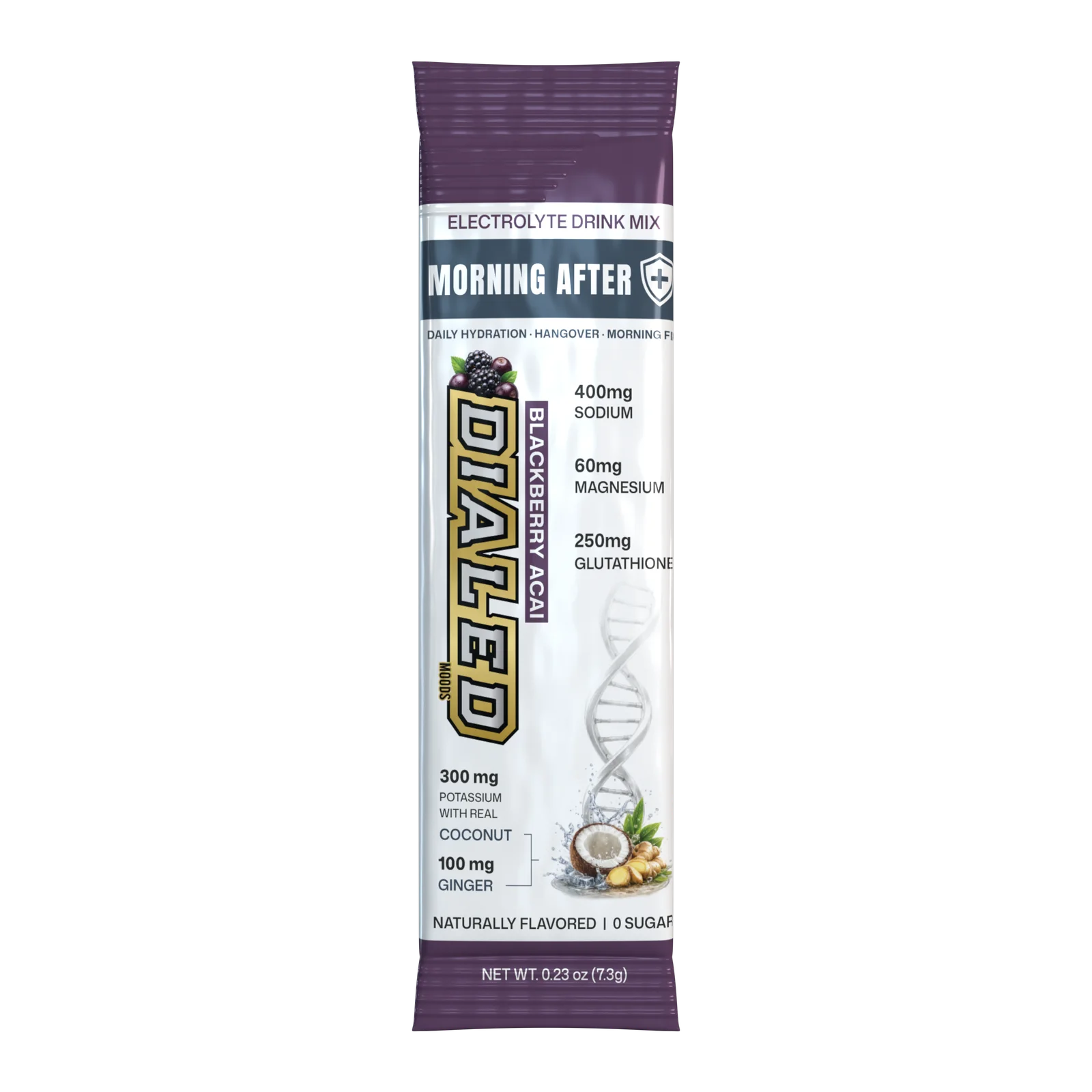
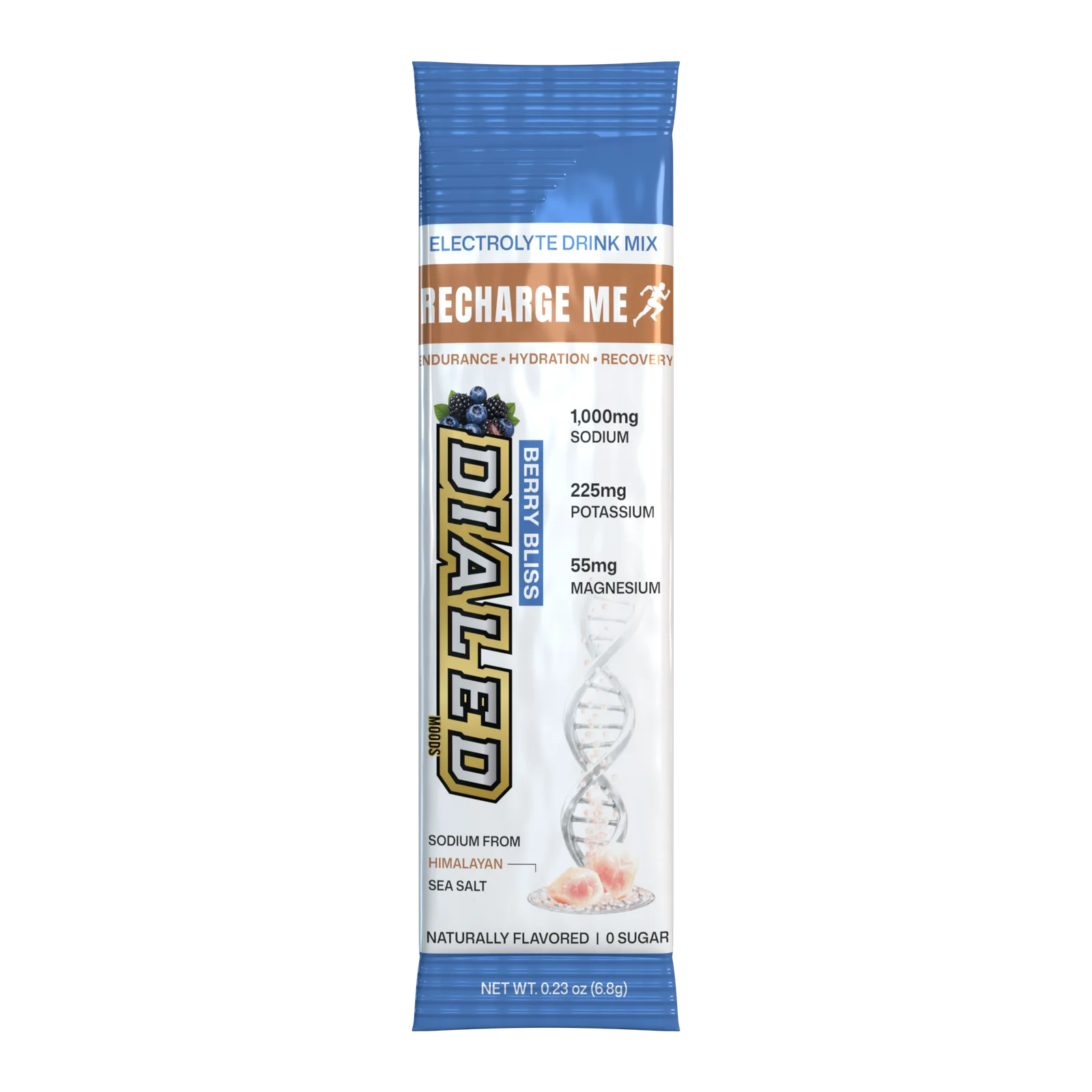



The mechanism behind keto's electrolyte drain is insulin. Carbohydrate restriction dramatically lowers insulin levels — a primary goal of the ketogenic diet. But insulin does more than regulate blood glucose: it signals the kidneys to retain sodium. When insulin drops, the kidneys switch into a sodium-excreting mode, and more sodium out means more water out and more of every electrolyte out. This is not a temporary effect during adaptation — it is a persistent feature of low-carb physiology. Here is the complete picture of why keto depletes electrolytes, which minerals matter most, and how to supplement effectively.
Why Keto and Low-Carb Diets Drain Electrolytes Faster
Insulin directly signals the kidneys to retain sodium. When carbohydrate restriction drops insulin, the kidneys maintain an elevated sodium excretion rate continuously. This is not a temporary adaptation-period effect — it is an ongoing feature of low-carb physiology. As long as insulin levels remain low, the kidneys continue excreting sodium at a higher rate than on a mixed diet. More sodium out means more water out, and more water out means more of every dissolved electrolyte out. The keto sodium potassium drain happens every day, not just during an initial two-week adaptation window. This means keto electrolyte needs are chronically elevated relative to people on standard mixed diets — and supplementation is a daily necessity on keto, not an occasional measure.
The Keto Flu and Its Connection to Electrolyte Loss
Keto flu — the headaches, fatigue, brain fog, irritability, nausea, and muscle cramps that commonly affect people in the first one to three weeks of a ketogenic diet — is not a necessary side effect of keto. It is an electrolyte depletion syndrome triggered by the rapid fluid and mineral losses of the initial adaptation period. The body shifts into sodium-excreting mode, takes water with it, and depletes potassium and magnesium in the process. The result is every symptom on the electrolyte deficiency list, concentrated in a two-week window. People who proactively supplement electrolytes from day one of a keto protocol — particularly sodium and potassium — report dramatically reduced keto flu severity. Studies comparing keto dieters with and without electrolyte supplementation show significantly better subjective wellbeing, energy, and cognitive function in the supplemented group during adaptation.
Which Electrolytes Matter Most on a Ketogenic Diet
Sodium is the highest priority on keto because the insulin-driven excretion effect hits sodium hardest and fastest. Most people transitioning to keto need 3,000 to 5,000mg of sodium per day — significantly more than standard dietary recommendations — to compensate for the elevated excretion rate. Potassium is lost in parallel with sodium through the same kidney excretion pathway. Keto-compatible potassium sources — leafy greens, avocados, nuts — help but often don't reach the 3,500 to 4,700mg daily targets that offset keto-driven losses. Magnesium completes the critical trio: low insulin reduces renal magnesium reabsorption, and the low-grain nature of keto diets removes many of the highest dietary magnesium sources. Keto electrolyte imbalance is a three-mineral problem that requires three-mineral supplementation.
Keto Works. Electrolytes Make It Sustainable.
Dialed Moods sugar-free electrolyte packets are formulated for low-carb living — zero glycemic impact sweeteners, disclosed sodium and potassium dosing, and no maltodextrin or hidden glucose sources.
How to Use Electrolyte Packets to Prevent Keto Fatigue
Keto fatigue — the persistent low energy some people experience even after the initial adaptation period — is often driven by ongoing electrolyte depletion rather than insufficient fat adaptation. The fix is consistent daily electrolyte supplementation rather than waiting for fatigue symptoms to appear and then reacting. One electrolyte packet in the morning before coffee or food addresses overnight sodium and potassium excretion that accumulates during sleep and is amplified on keto. A second packet in the afternoon maintains the mineral baseline through the latter half of the day when keto fatigue most commonly surfaces. On training days, a third post-workout packet addresses the additional sweat-driven losses layered on top of the keto-driven baseline excretion.
Sugar-Free Electrolyte Packets and Keto Compatibility
Keto compatibility requires zero or near-zero sugar and carbohydrate content in any supplement. Many commercial electrolyte products contain dextrose, maltodextrin, or sucrose — glucose sources that spike insulin and directly undermine the low-insulin state that keto depends on. Reading labels is non-negotiable for keto practitioners. Keto-friendly electrolyte packets use stevia, monk fruit, or erythritol as sweeteners — all with zero glycemic impact and no effect on insulin. Confirming zero sugar per serving on the nutrition facts panel and checking the ingredient list for glucose-based additives (dextrose, maltodextrin, any -ose suffix) before purchasing protects the keto protocol completely.
Daily Electrolyte Protocols for People on Low-Carb Diets
A practical daily keto electrolyte protocol: morning — one packet in 20oz of water before coffee, providing sodium, potassium, and magnesium to replace overnight losses; midday — one packet with lunch if the morning packet isn't sustaining energy through the afternoon; pre-workout on training days — one packet 20 minutes before exercise to preload minerals before sweat-driven losses begin. Total daily targets for keto dieters: 3,000 to 5,000mg sodium, 3,500 to 4,700mg potassium, 300 to 500mg magnesium. Dietary sources cover a portion of this; electrolyte packets fill the gap. Tracking intake for the first one to two weeks on keto provides a useful baseline for calibrating how many packets per day eliminates keto flu and fatigue symptoms entirely.
Electrolytes Are Non-Negotiable on Keto — Not Optional
Keto's electrolyte drainage is a persistent, daily physiological reality of low-carb living. It is not a problem that resolves after adaptation — it is an ongoing feature of insulin-suppressed kidney function that requires ongoing management. Consistent daily supplementation with a zero-sugar electrolyte packet covering sodium, potassium, and magnesium is the complete solution. Get this right from day one and the keto experience transforms: no keto flu, no persistent fatigue, no afternoon cognitive decline. Miss it consistently and the diet becomes harder than it needs to be.
Related reading: