



The hours after a hard training session are arguably more important than the session itself. What you put into your body in that window determines how quickly your muscles repair, whether you wake up moving freely or shuffling through soreness, and how prepared you'll be for your next effort. Electrolyte packets are one of the most underutilized tools in that recovery window — not because people don't know they exist, but because they don't understand exactly what they're replacing and why timing matters.
What Your Body Loses During Intense Exercise
Sweat is not just water. It carries sodium, chloride, potassium, magnesium, and calcium in concentrations that vary by individual genetics, heat exposure, and exercise intensity. For a moderate-to-hard training session in warm conditions, sodium loss alone can range from 900 to 2,300mg per hour — a range that makes flat water replenishment seriously inadequate for true recovery. Beyond mineral loss through sweat, intense training creates intramuscular inflammation and depletes glycogen stores. The inflammatory response is a normal and necessary part of adaptation, but its magnitude — and the severity of delayed onset muscle soreness (DOMS) — is directly influenced by how quickly you restore electrolyte balance post-exercise. Magnesium in particular acts as a natural calcium antagonist in muscle tissue; without adequate magnesium, the contraction-relaxation cycle stays dysregulated long after the workout ends.
The Role of Each Electrolyte in Muscle Recovery
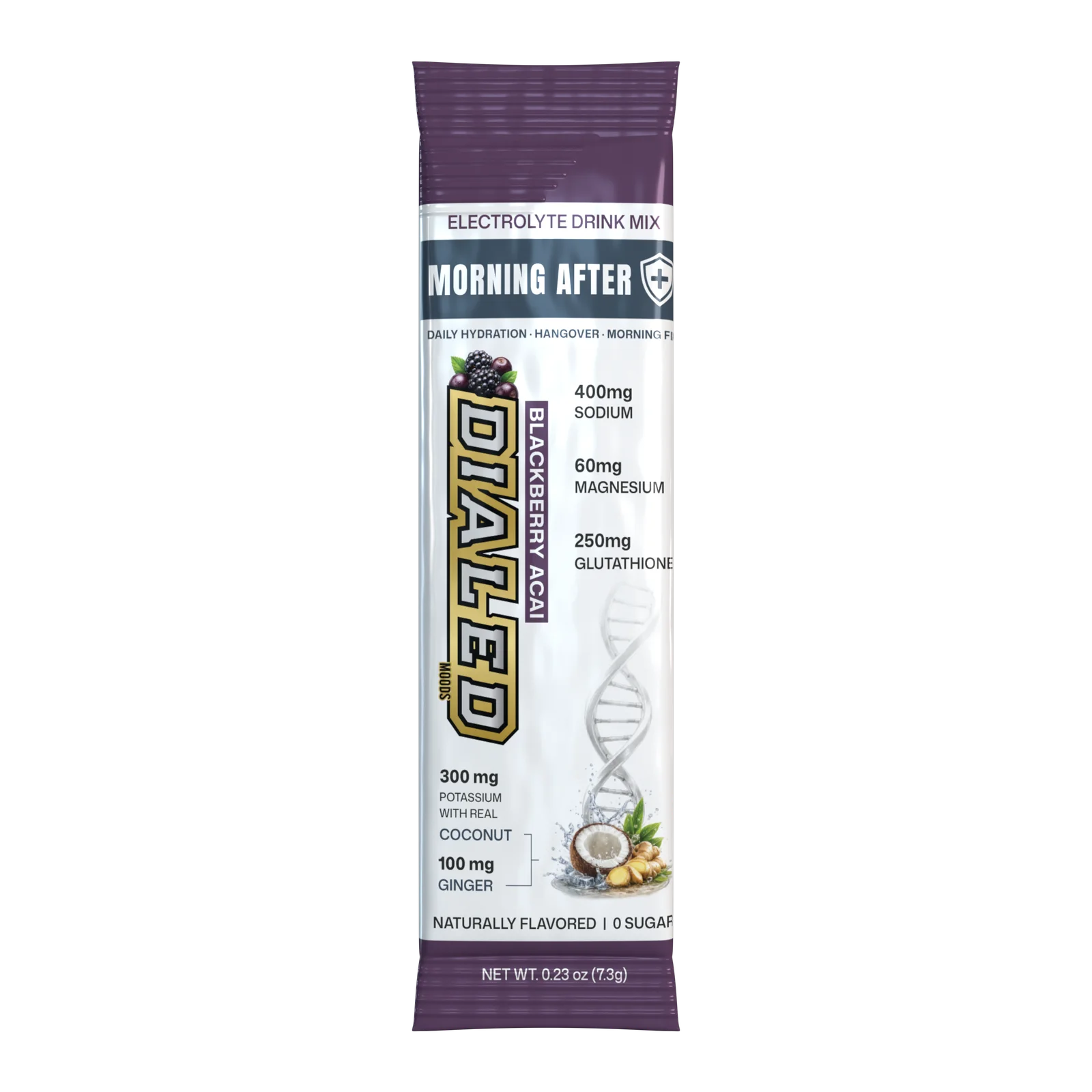
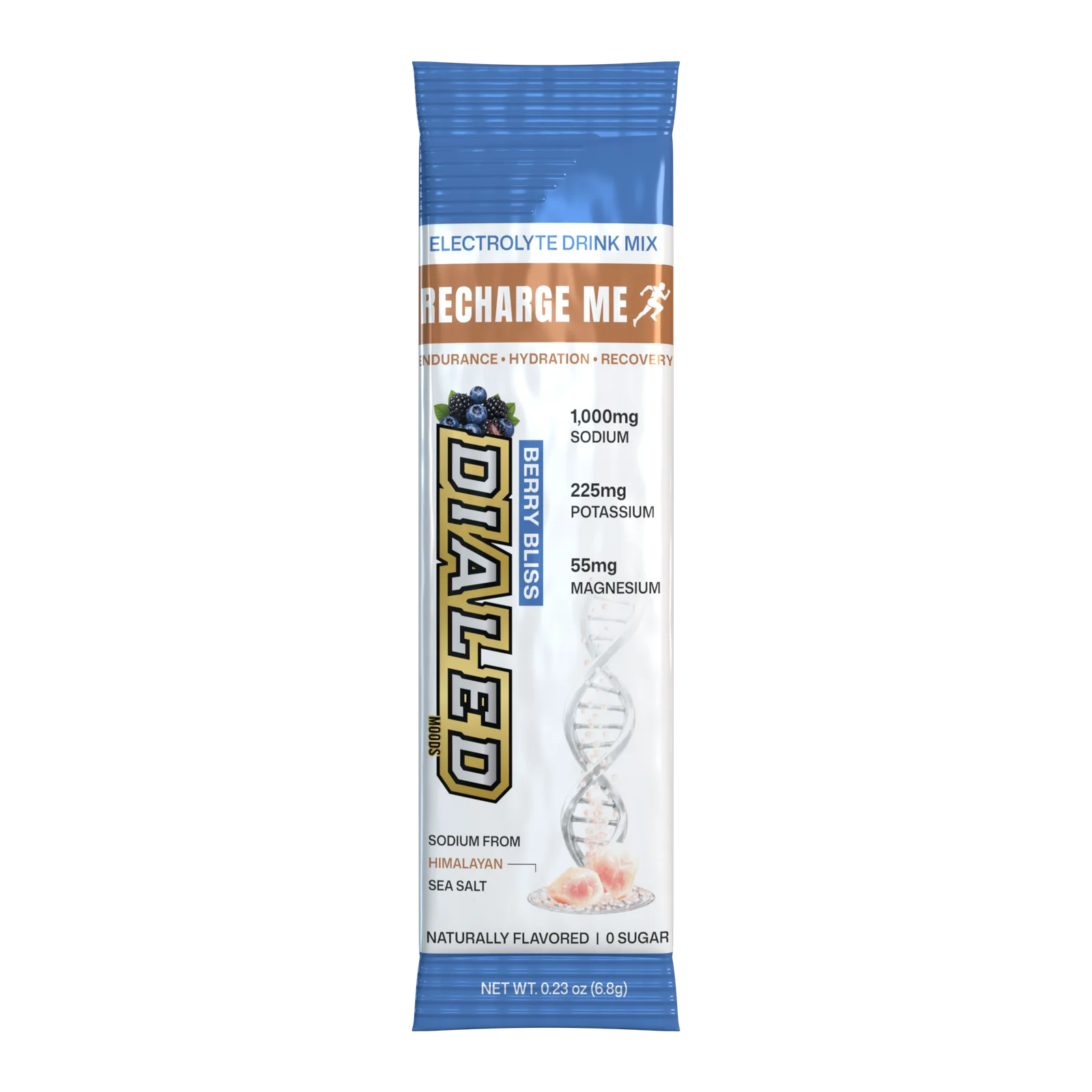
Sodium is the primary driver of fluid retention and distribution. After exercise, replacing sodium allows your body to hold the water you're drinking rather than excreting it — without adequate post-exercise sodium, rapid rehydration leads to dilution rather than plasma volume rebuilding. Aim for a post-workout packet with at least 500mg sodium. Potassium is depleted through sweat and is critical for muscle cell repolarization after contraction — when low, muscle cells have difficulty resetting between contractions, manifesting as weakness, cramps, and prolonged soreness. Magnesium's role in recovery is both muscular and neurological: it regulates calcium-driven contraction cycles, modulates the post-training stress response, and supports the sleep quality on hard training nights that is essential for recovery. Calcium activates muscle contraction and, while less commonly depleted, plays a role in maintaining neuromuscular signaling balance in prolonged multi-hour efforts.
How Quickly You Should Replenish Electrolytes After Training
The post-exercise recovery window is often described as a 30–60 minute period for nutrition, and electrolytes fall within this same timing logic. Plasma volume begins dropping immediately post-exercise as sweat-driven losses exceed intake during the session. Sodium replacement within the first 30 minutes after finishing begins the process of plasma volume restoration, which is a precursor to every other recovery process. You don't need to hit an exact minute — but waiting two or more hours to address electrolytes extends the period of impaired circulation and cellular repair significantly. The practical approach: have an electrolyte packet staged and ready before you finish your cooldown, so you're drinking it within 5–10 minutes of stopping activity rather than remembering it an hour later when recovery has already been delayed.
Your Recovery Window Is Too Important to Miss
Every minute you wait to replace sodium, potassium, and magnesium post-training, plasma volume and cellular repair are stalling. Get the right electrolyte packet ready before your cooldown ends — not after.
Electrolyte Packets vs Recovery Drinks: Which Is Better Post-Workout
The recovery drink category is crowded and often oversold. Most commercial recovery drinks bundle carbohydrates, protein, and electrolytes into a single product — which sounds efficient but frequently compromises all three. Carbohydrate amounts are too low for meaningful glycogen replenishment, protein amounts fall short of the 20–40g threshold for optimal muscle protein synthesis, and electrolyte doses are diluted to fit the combined macro profile. A better approach for most athletes: use a high-quality electrolyte packet for mineral replenishment and pair it with a separate, dedicated protein source. This strategy allows each element to be optimally dosed rather than diluted into a catch-all formula. NIH sports nutrition research consistently supports individual component optimization over bundled recovery formulas.
Stacking Electrolyte Packets With Protein for Full Recovery
Electrolytes and protein post-workout don't compete — they complement. Protein provides the amino acids your muscle tissue needs for repair; electrolytes support the fluid and mineral environment in which that repair happens. Together they create the conditions your body needs to fully capitalize on the training stimulus just applied. The practical protocol: mix your electrolyte packet into 16oz of water immediately post-workout, then consume your protein source — shake, food, or both — within the same 30-minute window. If your protein shake uses water as a base, dissolve the electrolyte packet directly into the shake. This is effective as long as flavors are compatible and the combined sodium load is within your daily targets.
Building a Post-Workout Recovery Routine With Electrolyte Packets
A recovery routine only works if it happens consistently — not just after the hardest sessions. The athletes who manage their electrolytes every training day accumulate a compounding recovery advantage over time: less systemic inflammation, better sleep quality on training nights, and more consistent performance without the peaks-and-valleys of inconsistent mineral management. Build the habit by staging your post-workout electrolyte packet with your gym bag or workout gear so it's visible and ready when you finish. Remove the decision-making from the equation entirely. The best recovery tool is the one you actually use every time — not the one with the most impressive formulation that stays in the cabinet.
Recovery Is Where Adaptation Happens — Support It
Hard training days create the stimulus for improvement. Recovery is where that stimulus becomes adaptation. Electrolyte replenishment — particularly sodium for plasma volume, magnesium for muscle relaxation, and potassium for cell repolarization — is one of the most direct and immediately actionable tools in the recovery window. Get it into your post-workout protocol before the 30-minute window closes. The difference compounds across every session.
Related reading: