



Sweat is not just water. Every liter carries 900 to 1,400mg of sodium, 150 to 200mg of potassium, 10 to 30mg of magnesium, and 15 to 30mg of calcium — minerals that do not come back from plain water. Understanding the mineral cost of training is the foundation of any serious athlete hydration protocol. Here is exactly how to structure electrolyte intake for performance and recovery.
How Much You Sweat and How Much That Costs in Electrolytes
Sweat rate varies significantly between individuals and exercise conditions. The average person sweats 0.5 to 2 liters per hour during moderate to intense exercise. Elite athletes or people exercising in hot, humid conditions can exceed 2 liters per hour. Each liter of sweat contains approximately 900 to 1,400mg of sodium, 150 to 200mg of potassium, 10 to 30mg of magnesium, and 15 to 30mg of calcium. A two-hour training session for a moderate sweater produces losses of 1,800 to 2,800mg of sodium and 300 to 400mg of potassium. Replacing water without replacing these minerals leaves the body physiologically depleted even after complete fluid rehydration. Sodium depletion in particular impairs muscle cell electrical potential — the mechanism that makes muscles contract and relax.
Pre-Workout Electrolytes and Why They Matter
Pre-workout electrolyte loading is about starting a training session with adequate electrolyte reserves so that depletion from training doesn't push you into a deficit that impairs performance before the session ends. Many people start training already depleted — having consumed only coffee, which is a diuretic, in the morning. Starting in an electrolyte-deficient state means the performance-relevant depletion happens sooner: sodium and potassium depletion begins affecting muscle cell electrical potential and water retention during the session rather than after it. A pre-workout electrolyte packet in 16oz of water, consumed 20 to 30 minutes before training, extends the window before depletion begins to impact output.
Electrolytes During Exercise for Sustained Performance
For sessions lasting longer than 60 minutes, electrolyte replacement during exercise is not supplementary — it is necessary for maintaining performance. Studies on endurance athletes show that sodium replacement during prolonged exercise significantly reduces performance decline in the final third of a long effort, while also preventing hyponatremia risk that comes with aggressive fluid intake without mineral replacement. The practical standard for endurance athletes: consume 300 to 600mg of sodium and 100 to 200mg of potassium per hour of exercise beyond the first 60 minutes. An electrolyte packet mixed into the water bottle for hours two and beyond provides this replacement while supporting fluid retention in a way that plain water cannot.
Built for Athletes Who Train to Win
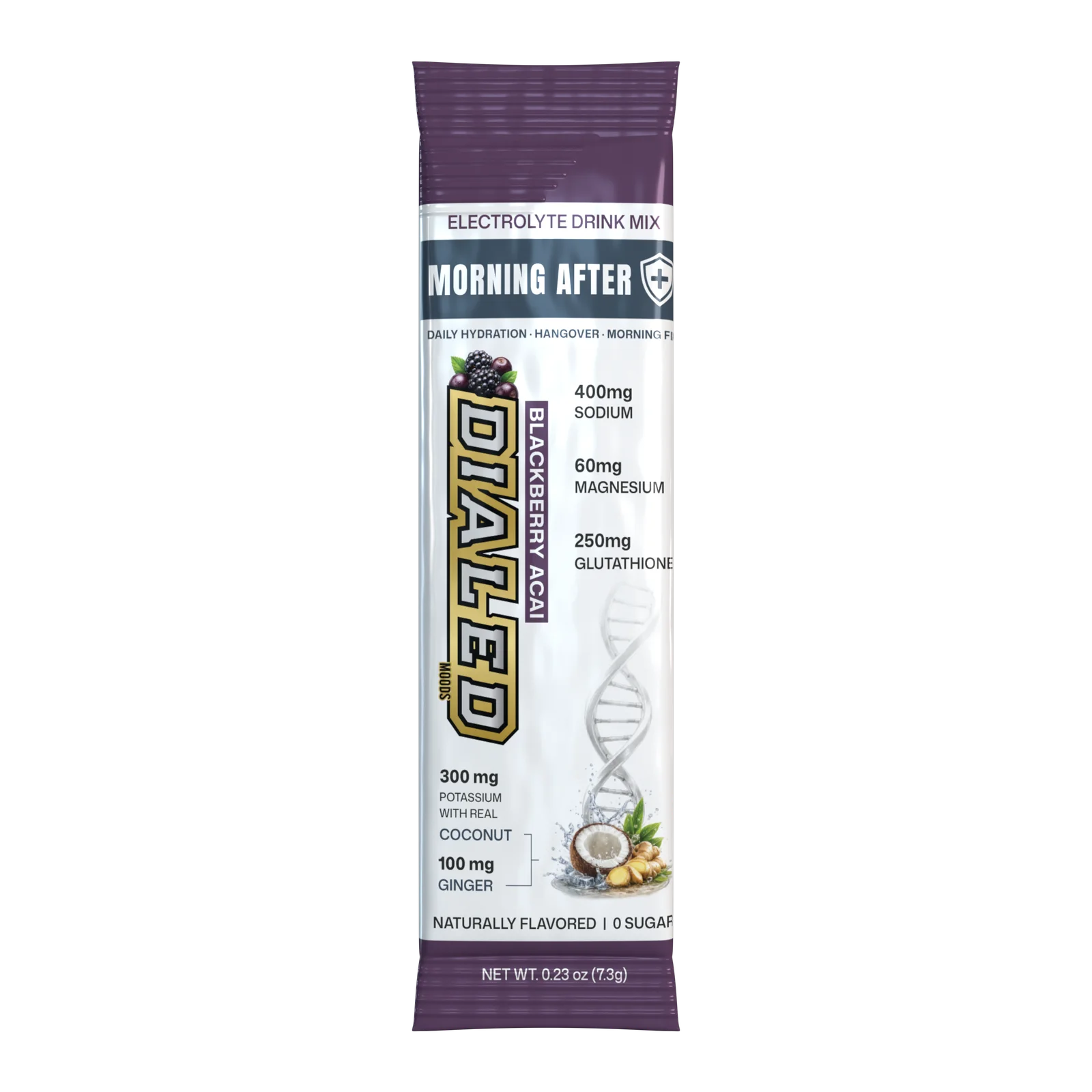
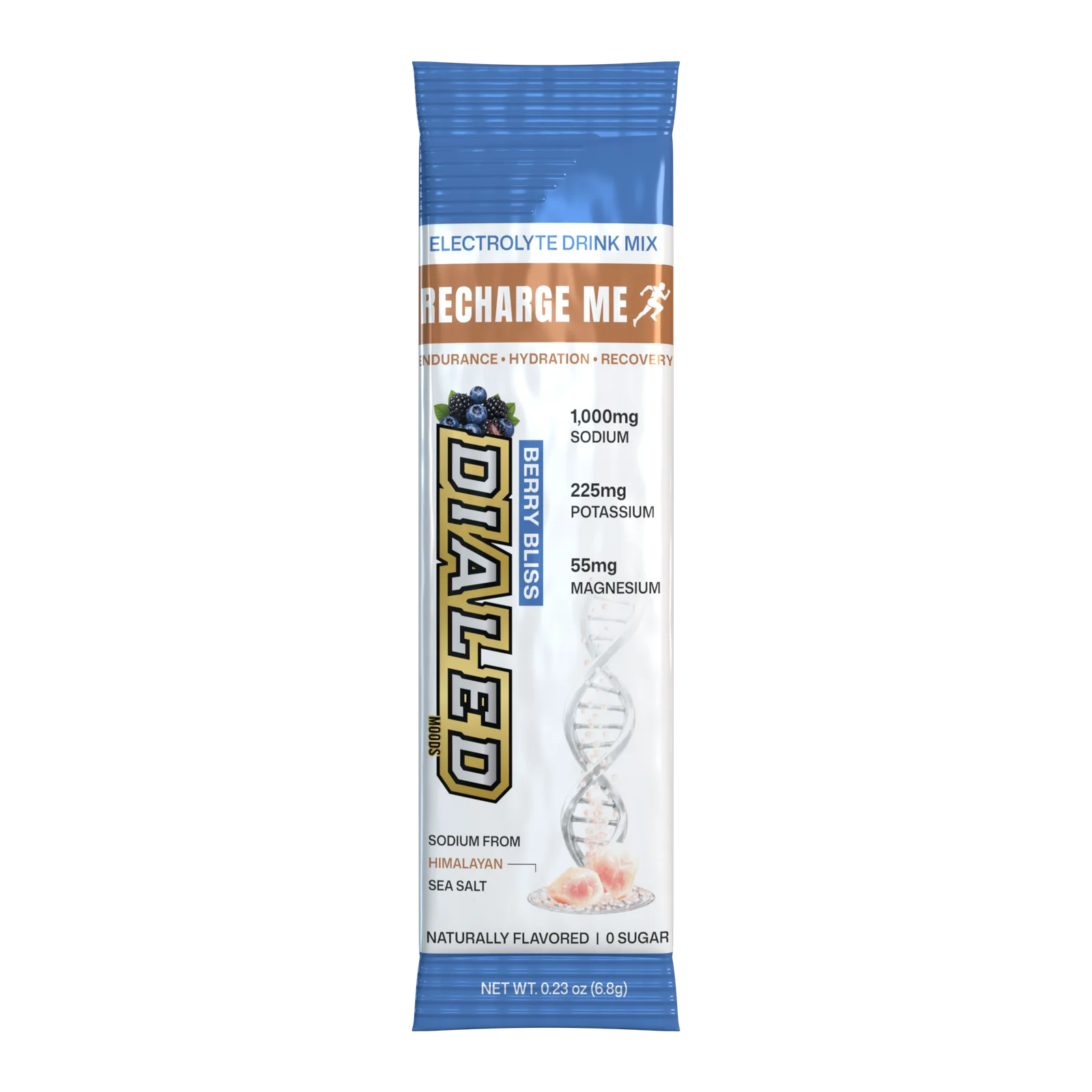
Dialed Moods electrolyte packets deliver the sodium, potassium, and magnesium your training demands — clean formula, no unnecessary sugar, and easy to take before, during, and after every session.
Post-Workout Electrolytes and Faster Recovery
The post-workout electrolyte window is the most studied and most impactful timing point. After training, the body must simultaneously rehydrate depleted cells, restore the sodium-potassium gradient across cell membranes, replenish magnesium for muscle relaxation and ATP resynthesis, and support inflammatory resolution. Research on post-exercise recovery consistently shows that sodium intake within 30 to 60 minutes of training completion significantly improves the rate of fluid reabsorption compared to plain water. Magnesium within this window supports muscular relaxation and protein synthesis pathways that reduce next-day soreness and accelerate recovery between training sessions. Sodium drives the osmotic pull that restores intracellular water content — making post-workout electrolytes more effective than water alone for rehydration.
Electrolyte Packets vs Gels and Drinks for Athletes
Endurance athletes have traditionally used gels and sports drinks for combined electrolyte and carbohydrate delivery during training. Gels are efficient fuel delivery systems with added sodium and potassium, but they provide minimal magnesium and are designed for consumption during activity — not for pre- or post-workout electrolyte loading. Sports drinks provide adequate sodium for fluid retention but are heavy in sugar — appropriate during prolonged exercise, excessive outside of that window. Electrolyte packets provide flexibility that gels and sports drinks lack: no required timing during exercise, customizable concentration in any volume of water, meaningful magnesium and calcium doses, and no sugar when sugar isn't needed. For a complete hydration protocol, packets fill the pre-workout, post-workout, and off-day roles more effectively.
Building an Athlete Hydration Protocol With Electrolyte Packets
A complete athlete electrolyte protocol covers three windows: Pre-training — one packet in 16oz of water, 20 to 30 minutes before the session. During training (sessions over 60 minutes) — one packet per additional hour of training time. Post-training — one packet within 30 minutes of finishing, paired with protein for full recovery support. On rest days, one morning packet maintains baseline mineral status and supports the recovery processes that continue for 24 to 48 hours after intense training. The magnesium and potassium delivered on rest days are particularly important for athletes who train multiple days consecutively — these minerals are depleted cumulatively and require consistent replenishment rather than session-by-session replacement only.
The Athlete Hydration Protocol That Wins
Hydration strategy is part of training strategy. Pre-workout loading, intra-session replacement for long efforts, post-workout recovery dosing, and rest-day maintenance are the four pillars of a protocol that supports performance across every session. Electrolyte packets make executing this protocol simple, flexible, and sugar-free when sugar doesn't serve you. Train harder. Recover faster. Repeat.
Related reading: