


Water absorption is not passive — it is driven by osmotic gradients created by electrolytes. Without sufficient electrolytes to hold fluid in the intravascular and intracellular compartments, water passes through and is excreted. This is why drinking large amounts of plain water during intense exercise can leave you feeling temporarily full but still physiologically dehydrated. Here is what electrolytes actually do for hydration, when you need them most, and how to build an effective daily protocol.
How Electrolytes Enhance the Body's Ability to Absorb Water
In the small intestine, sodium co-transporters actively pull sodium across the gut wall into the bloodstream, and water follows by osmosis. This is the principle behind oral rehydration therapy — the WHO intervention that has saved millions of lives: glucose and sodium together drive water absorption dramatically faster than water alone. Electrolyte absorption also enhances retention of ingested water. Sodium is the primary electrolyte that governs this retention, making it the most immediately critical component of any hydration strategy. A person drinking 2 liters of plain water per day may be consistently less hydrated than someone drinking 1.5 liters with electrolytes, because the latter's water is actually being retained where the body needs it.
The Difference Between Being Hydrated and Being Electrolyte-Balanced
Total body water and electrolyte balance are related but distinct measures. You can have adequate total body water while having insufficient sodium to maintain blood volume, or insufficient magnesium to support cellular energy production. Athletes who drink excessive plain water during endurance events can develop dilutional hyponatremia — total body water is high but blood sodium is dangerously low — producing symptoms identical to dehydration but made worse by drinking more water. Electrolyte balance refers to maintaining the right concentration of each mineral in each body compartment. The difference between being hydrated and electrolyte-balanced is the difference between having gas in the car and having a functioning engine — the fuel only works if the system that uses it is intact.
When You Need Electrolytes More Than Just Water
Exercise lasting more than 60 minutes in any conditions — or any duration in hot and humid environments — produces sweat losses requiring electrolyte replacement, not just fluid replacement. Morning is one of the most consistent electrolyte-deficit windows: eight hours without food or drink, with mild overnight fluid loss through respiration, leaves most people mildly depleted. High-stress periods, illness with fever or diarrhea, alcohol consumption, hot weather, prolonged fasting, keto or low-carb dietary protocols, and diuretic medications all create situations where electrolyte needs outpace what a normal diet and plain water provide. Recognizing these situations and proactively adding electrolytes — rather than waiting for symptoms — is the most effective hydration strategy.
Give Your Water What It's Actually Missing
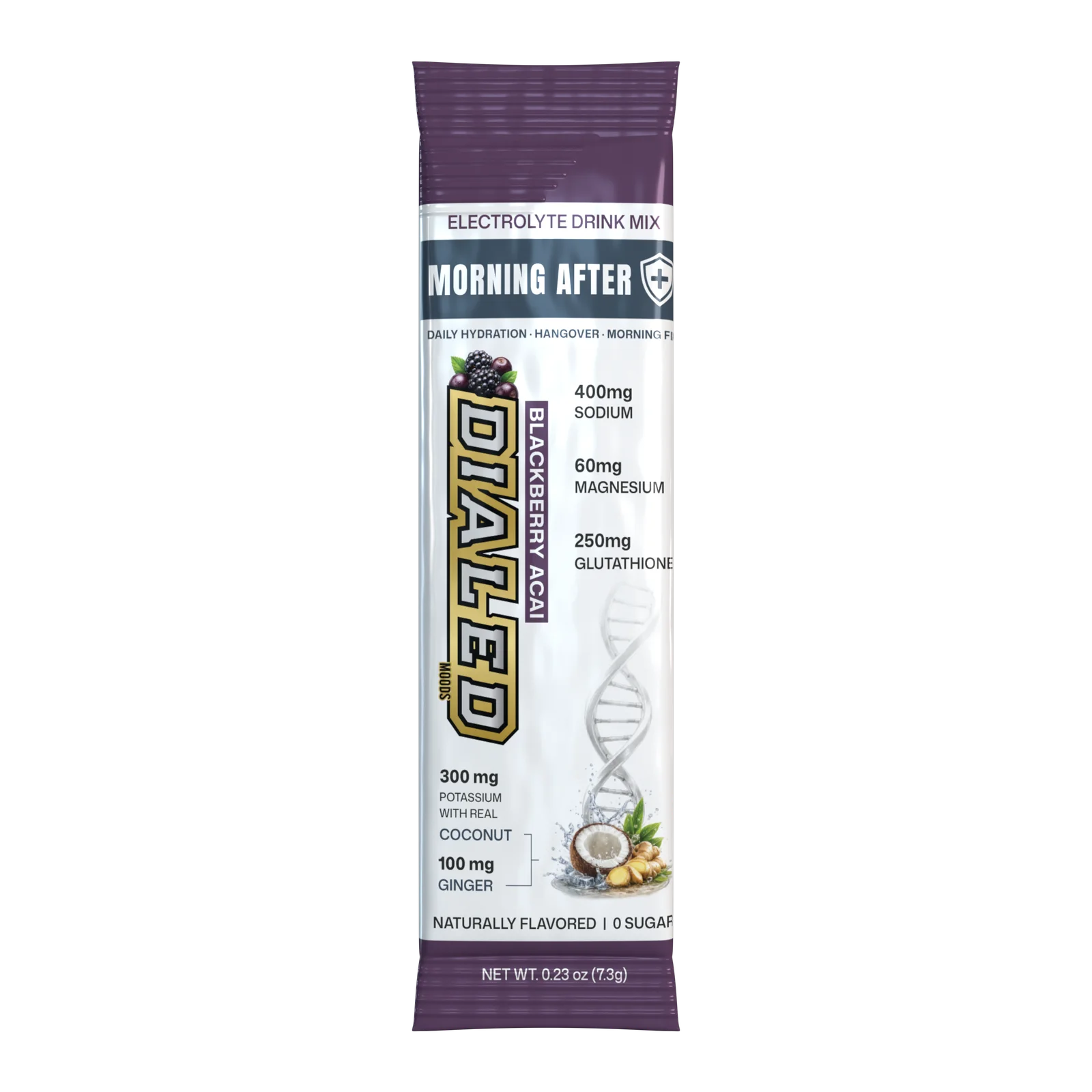
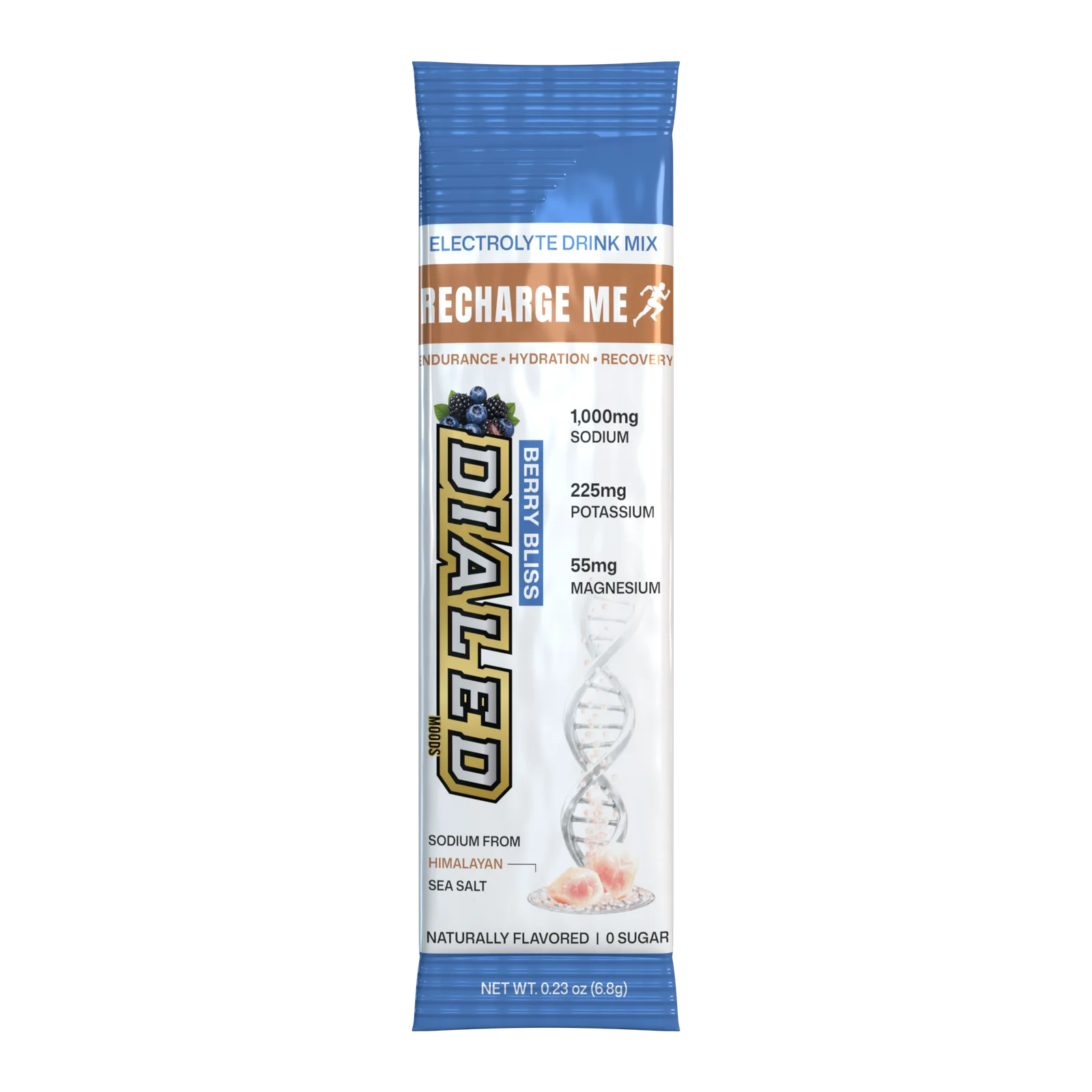
Dialed Moods electrolyte packets turn plain water into complete hydration — with the sodium, potassium, and magnesium your cells need to absorb and retain fluid. One packet, meaningful results.
Electrolyte Packets vs Sports Drinks for Hydration
Sports drinks were designed for exercise-induced sweat loss in high-intensity athletes. The formula — water, sugar, sodium, and a small amount of potassium — addressed the acute electrolyte and energy needs of that context. For a marathon runner mid-race, the sugar content is a fuel source. For everyone else using electrolytes for daily hydration, it is unnecessary calories. Electrolyte packets offer the same core electrolyte delivery — sodium, potassium, and often magnesium — without the sugar overhead. Quality packets also include magnesium and calcium at therapeutic doses that most sports drinks omit or include at insignificant levels. For daily non-athletic use, electrolyte packets are the more appropriate and more complete hydration tool.
Daily Hydration Habits That Include Electrolyte Supplementation
The most effective approach is a morning electrolyte packet in the first glass of water of the day, taken before coffee. This addresses overnight depletion, improves caffeine tolerance by providing the magnesium and potassium that caffeine depletes, and sets the mineral baseline for the day. A second packet in the afternoon — around 2:00 to 3:00 PM — addresses the hydration dip and electrolyte depletion that builds over the workday, particularly in people who drink multiple cups of coffee. This timing also counters the afternoon energy slump that is frequently driven by mild electrolyte and hydration deficits rather than any fundamental energy production problem.
How to Use Electrolyte Packets for Optimal Hydration Throughout the Day
Practical protocol for optimal daily electrolyte hydration: one packet in 16–20oz of water in the morning before coffee; one packet in the afternoon if the day involves significant activity, stress, or heat; one packet post-exercise on training days. Most healthy adults find one to two packets per day covers baseline needs. Athletes or people in high-stress periods may benefit from two to three. Mixing electrolyte packets in cold water improves dissolution and palatability. Flavored packets mixed in 16–20oz produce a mild, refreshing flavor more appealing than plain water for most people — and a drink you enjoy drinking is a drink you will actually drink, which is the most practically important hydration benefit of all.
Hydration That Actually Works Starts With Electrolytes
Water is the medium. Electrolytes are what make it functional. Morning supplementation before coffee, afternoon support for the energy dip, and post-exercise replenishment are the three most impactful windows. One to two electrolyte packets per day covers the baseline for most healthy adults — enough to meaningfully improve daily hydration without over-supplementing any single mineral. Stop drinking water that passes through. Start drinking water that works.
Related reading: