


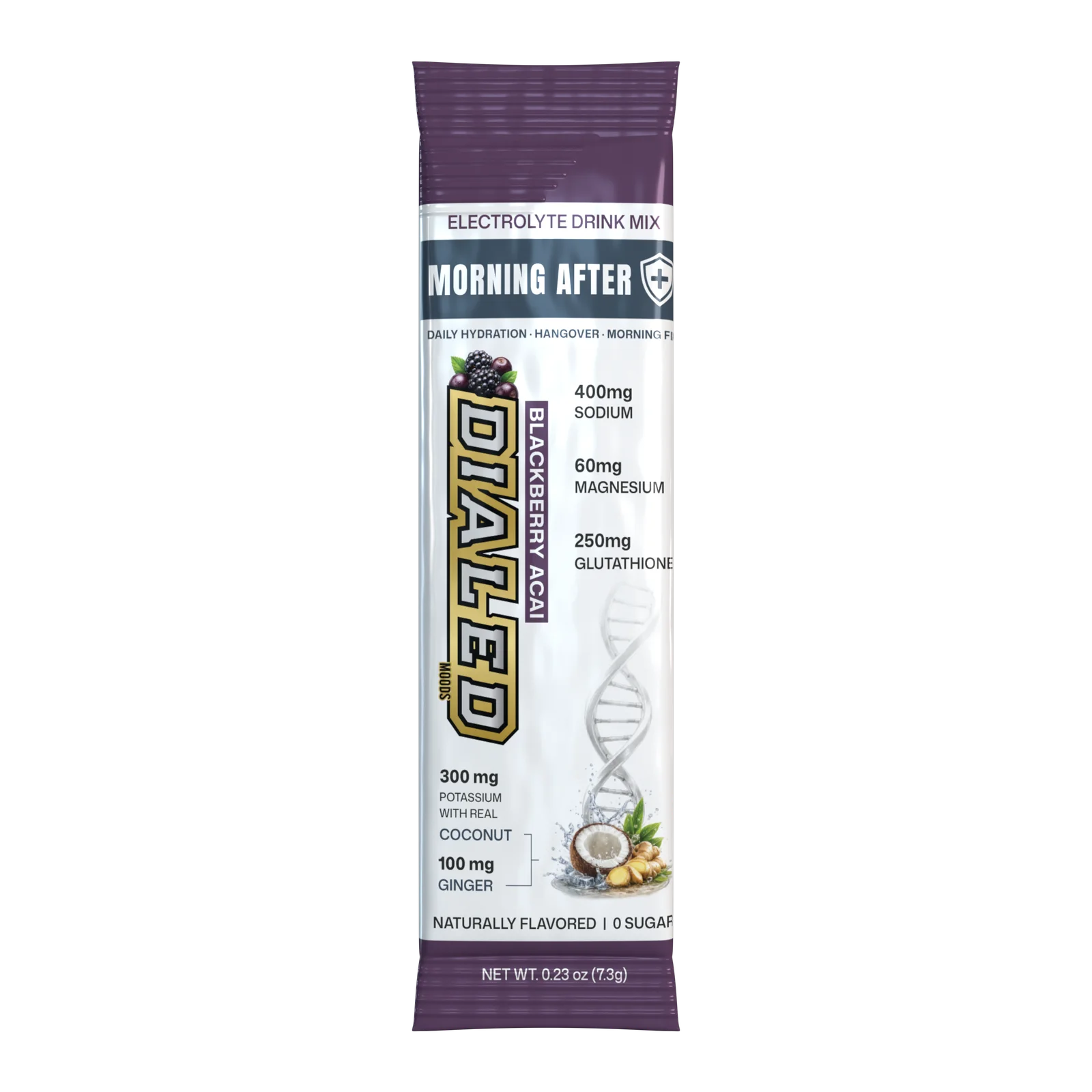
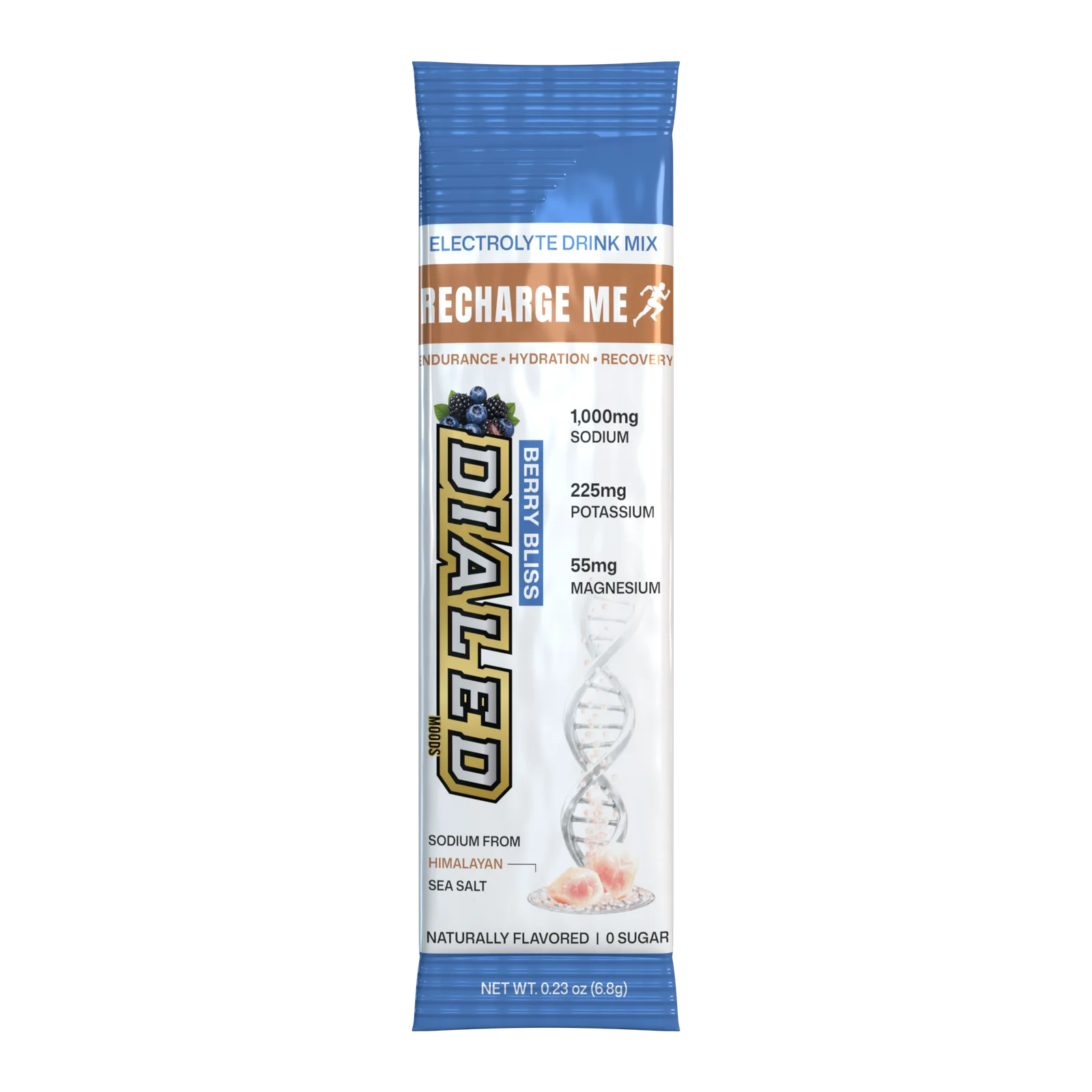

If your electrolyte drink is sweet but the label says zero sugar, something is doing the sweetening work — and what that ingredient is matters more than most brands admit. Sugar-free electrolyte packets have genuinely improved, but not every zero-sugar option uses sweeteners appropriate for your goals. Here is what separates the clean options from the compromised ones.
Why Sugar-Free Electrolyte Options Have Taken Over the Market
The shift away from sugar in sports and hydration supplements reflects a broader consumer pivot that accelerated significantly after 2018. Keto adoption, intermittent fasting uptake, rising diabetes awareness, and clean label demand all converged to create a market where sugar-free formulations went from niche to mainstream in under five years. The core reason is simple: sugar is not required for electrolyte absorption. The hydration mechanism electrolytes drive — sodium-potassium transport across cell membranes — does not need glucose to function. Older sports drink formulations included sugar because they were also replenishing glycogen. A product focused purely on hydration has no physiological reason to include sucrose, and forward-thinking formulators removed it.
Natural Sugar-Free Sweeteners Used in Electrolyte Packets
Stevia: Derived from Stevia rebaudiana, glycemic index of zero, FDA GRAS status. High-quality rebaudioside A extract has minimal aftertaste. Monk Fruit Extract: Zero-glycemic, plant-derived, clean rounded sweetness profile preferred by many users over stevia. No known insulin response. Erythritol: Sugar alcohol with 0.2 calories per gram (vs. 4 for sucrose), very low glycemic index, well-tolerated at standard electrolyte serving sizes. Sucralose: Zero GI, common in budget-friendly options, generally safe though some users report digestive sensitivity with regular use. The cleanest formulas use stevia or monk fruit as primary sweeteners and disclose all sweetening agents on the label. Avoid products combining zero-sugar claims with maltodextrin, dextrin, or modified food starch — these raise blood sugar without appearing in the sugar line.
Who Benefits Most From Sugar-Free Electrolyte Packets
People managing type 2 diabetes or pre-diabetes benefit from the elimination of blood sugar spikes that come with sucrose or dextrose-based sports drinks. The American Diabetes Association recommends zero-sugar hydration options for people monitoring glycemic control. Individuals on ketogenic diets need to keep net carbohydrates below 20–50g daily, making sugared electrolytes incompatible with their macronutrient targets. Intermittent fasters require zero-calorie electrolyte options to maintain their fasted state. Athletes who train fasted or need electrolyte replacement without glucose delivery can use sugar-free packets throughout and after training without triggering an insulin response that interrupts fat-burning states.
Clean Hydration. Zero Hidden Compromises.
Zero sugar, zero maltodextrin, zero hidden carbs. Clean-label electrolyte packets formulated for keto, fasting, and diabetic-friendly lifestyles — with transparent labeling and effective mineral doses.
How Sugar-Free Packets Perform Compared to Sugar-Sweetened Electrolytes
From a pure hydration standpoint, sugar-free electrolyte packets perform at least as well as sugar-sweetened versions for most users and most activities. Cellular electrolyte uptake is not sugar-dependent — it is sodium-dependent. The primary variable is absorption rate for glucose replenishment, which only becomes relevant during endurance activities lasting 90 minutes or more. For daily hydration, gym sessions, office use, travel, and fasting support — the primary use cases for most consumers — sugar-free formulations deliver equivalent or superior results. They also eliminate post-drink blood sugar dips, which can trigger hunger and energy crashes that counteract the performance goals people use electrolytes to support.
Reading Electrolyte Packet Labels for Hidden Sugars and Carbs
The zero-sugar claim on a front label can coexist with hidden carbohydrates. Maltodextrin is a polysaccharide that functions like sugar metabolically but is sometimes listed separately from sugars because it is technically a starch. A product can claim zero sugar while delivering a meaningful glycemic load from maltodextrin. Other ingredients to watch for: dextrin, tapioca starch, glucose polymers, and modified food starch — all raise blood sugar and would break a fast or disrupt ketosis despite appearing in "clean" products. Always check total carbohydrates on the nutrition facts panel, not just the sugar line. A truly keto-compatible electrolyte packet should show 0g total carbohydrates.
Frequently Asked Questions: Sugar-Free Electrolyte Packets
Do sugar-free packets work as well as sugar-sweetened for hydration? Yes, for nearly all hydration purposes — cellular fluid balance is sodium-driven, not glucose-driven. Sugar adds value only during sustained endurance exercise over 90 minutes. What sweeteners are used in quality packets? Cleanest options use stevia, monk fruit extract, or erythritol. Avoid products combining zero-sugar claims with maltodextrin. Are they safe for diabetics? Generally yes — products sweetened with stevia or monk fruit have no glycemic impact. Confirm with your healthcare provider if you are on specific medications. Can they be used for keto and intermittent fasting? Yes — this is one of the primary use cases they were formulated for. Zero-carb packets are fully compatible with all ketogenic protocols and fasting windows.
Clean Hydration Is Not a Compromise — It's a Standard
Sugar-free electrolyte packets have reached the point where clean formulation and genuine effectiveness are not mutually exclusive. The best products deliver zero sugar, zero hidden carbs, effective mineral doses, and palatability that makes daily use sustainable. Read labels carefully, check total carbohydrates, and choose sweeteners that support your metabolic goals — not just the ones that look best on the front panel.
Related reading: