



You wake up after 7 to 8 hours without fluids or food, and the first thing most people reach for is coffee — a diuretic that accelerates the fluid and mineral deficit you already have. That's the morning hydration trap, and breaking it is easier than it sounds. One electrolyte packet added to a glass of water before anything else can shift how the first two hours of your day feel — and the physiological reason why is both specific and actionable.
What Happens to Your Hydration Levels Overnight While You Sleep
Sleep is far more metabolically active than most people realize. During sleep, the body continues to lose fluid through respiration — particularly in dry environments or during mouth breathing — and through transdermal moisture loss. By morning, most adults have lost between 0.5 and 1 liter of fluid through these passive mechanisms alone. Electrolyte losses accompany that fluid loss: sodium, potassium, and magnesium all shift in concentration overnight as the body performs its regulatory and repair functions during sleep. By the time you wake up, electrolyte status is already subtly compromised — not dramatically enough to feel acutely unwell, but enough to affect cognitive clarity, blood pressure regulation, and physical readiness. This is why morning hydration is not optional — it's corrective.
Why Morning Is the Most Important Time to Replenish Electrolytes
The circadian rhythm creates a specific physiological window in the morning where cellular rehydration is most efficient. Cortisol peaks in the first 30 to 60 minutes after waking — the cortisol awakening response — and this hormonal environment promotes sodium retention and prepares the cardiovascular system for the demands of the day. Drinking water with an electrolyte packet during this window works synergistically with that cortisol peak. Sodium intake in the morning supports blood pressure normalization, which is why some people feel dizzy when they stand quickly in the first hour after waking — their sodium levels are too low to support adequate blood pressure response. NIH research confirms the role of morning electrolyte balance in orthostatic blood pressure stability. A morning electrolyte habit addresses this specific mechanism directly.
Electrolytes vs Coffee as Your First Morning Drink
Coffee is the dominant morning ritual for billions of people, and it's not going anywhere. But its position as the first drink of the day creates a problem that most coffee drinkers don't connect to their afternoon fatigue, mid-morning headaches, or energy crashes. Caffeine is a mild diuretic — it signals the kidneys to increase urine output, meaning that coffee taken on an already-depleted body amplifies the fluid and electrolyte deficit you woke up with. The perceived energy boost is real, but it happens atop a deepening hydration hole that tends to surface as afternoon brain fog or irritability 4 to 6 hours later. Drinking an electrolyte packet before your first coffee changes the equation: it fills the morning mineral deficit before caffeine creates a new one, buffers the diuretic effect, and extends the window before caffeine's effects wear off. You don't need to give up coffee — just reorder the sequence.
Start Your Morning the Right Way
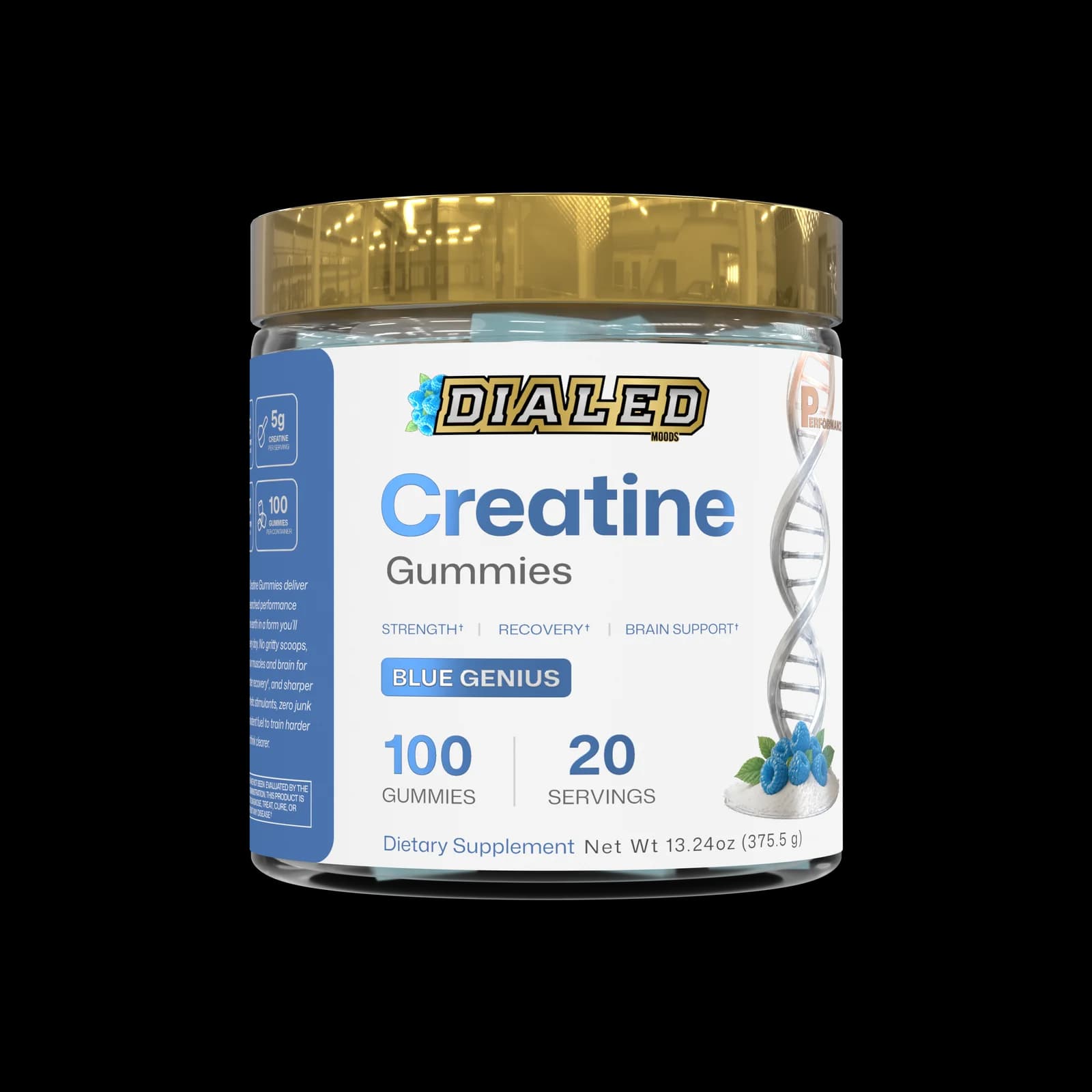
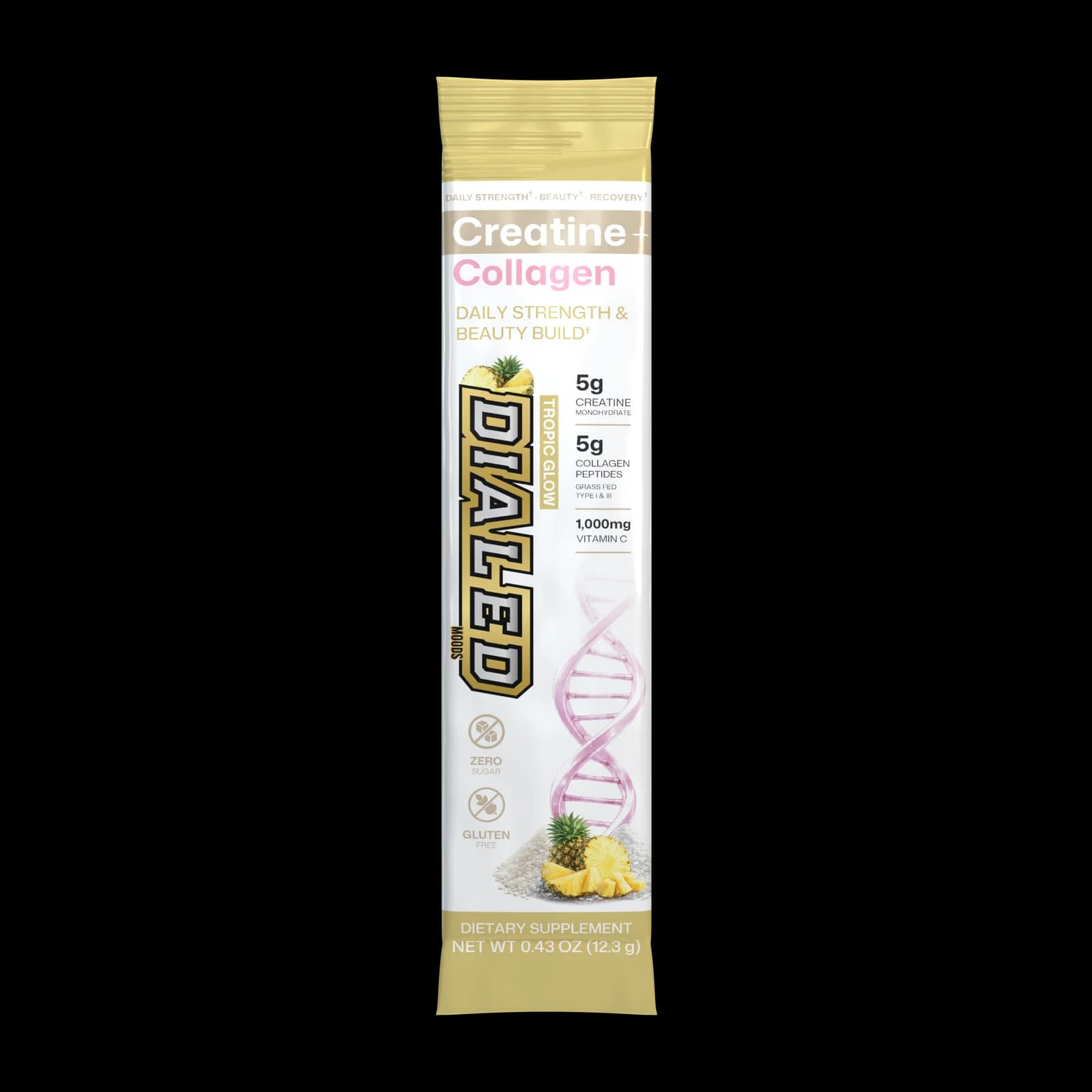
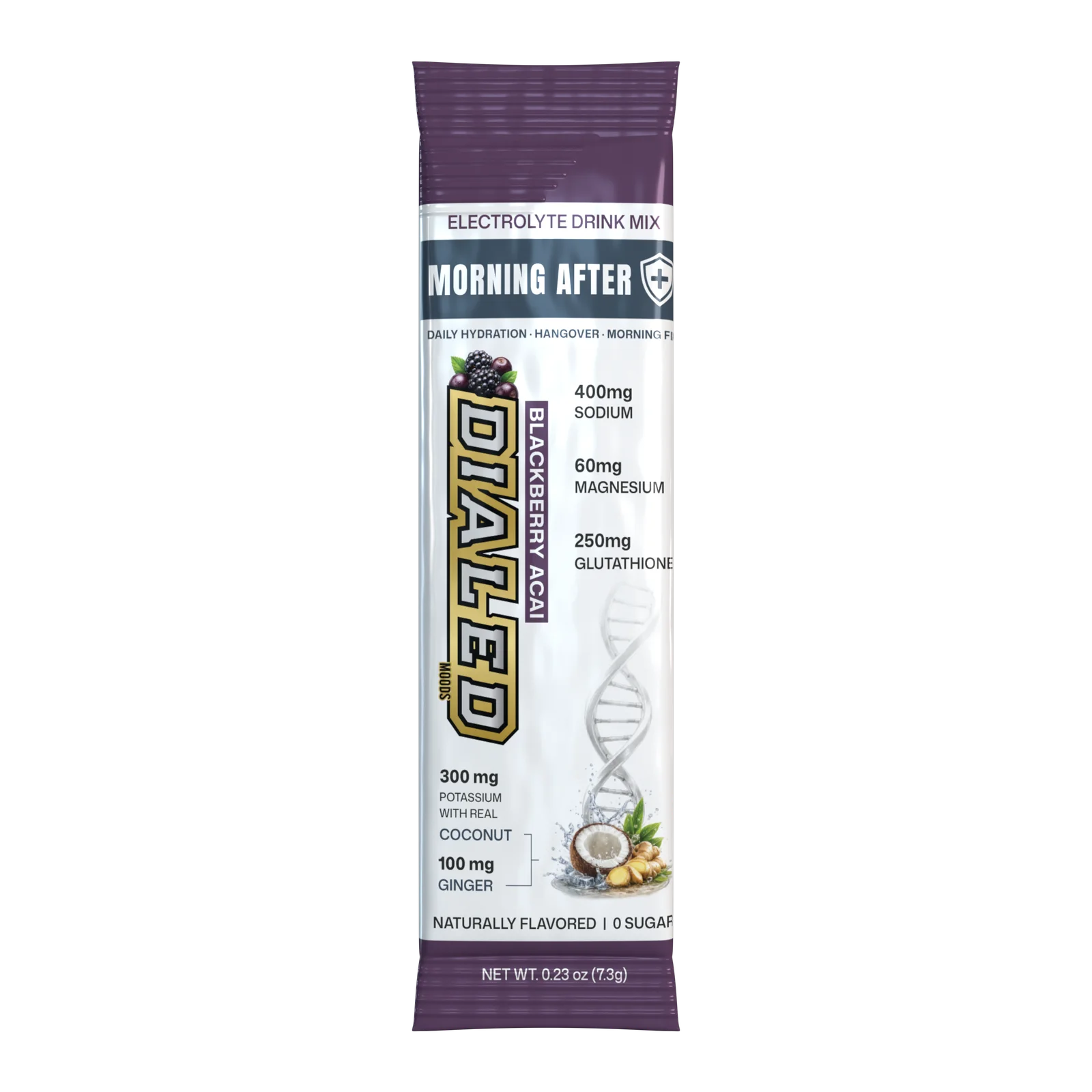
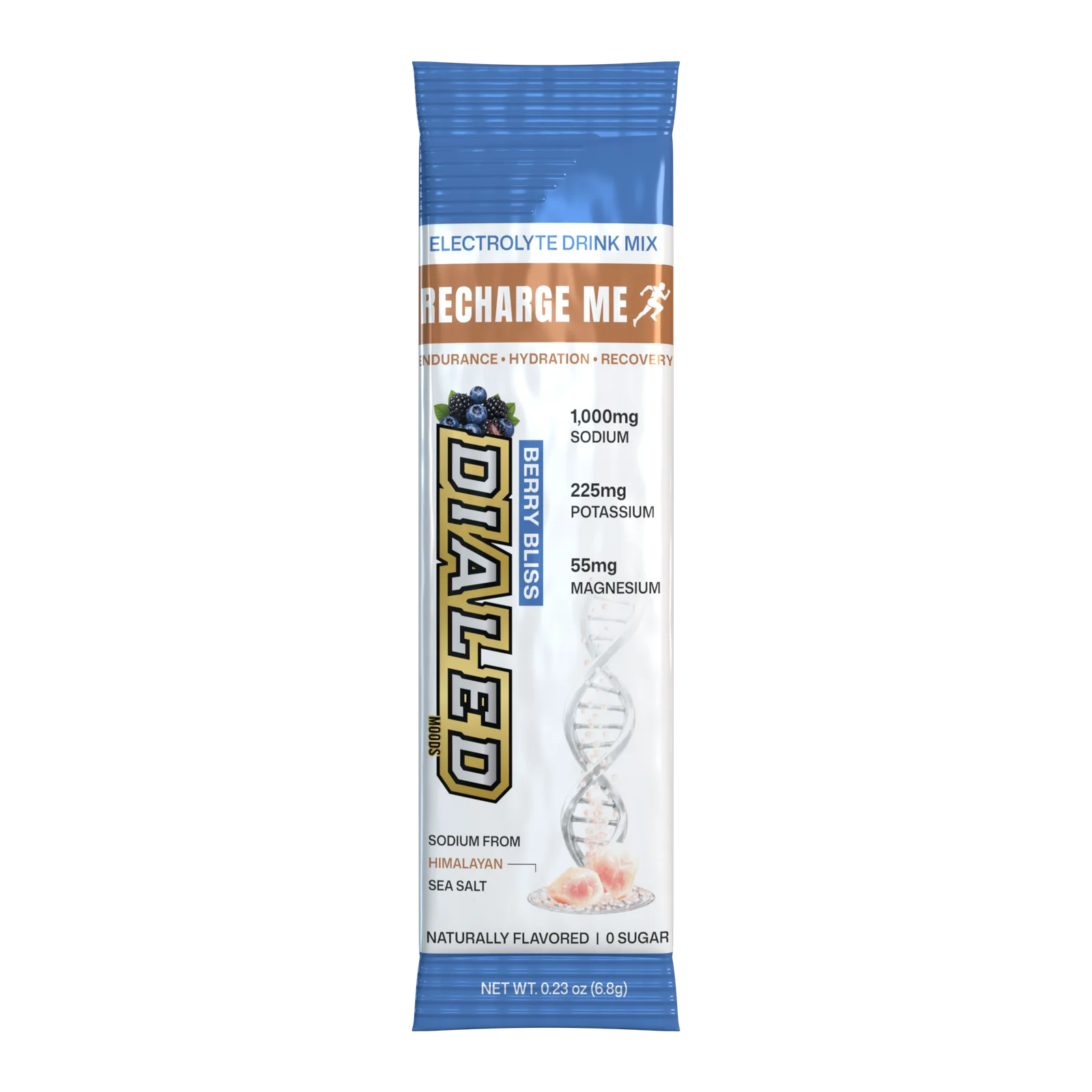
Don't let overnight depletion set the tone for your entire day. One electrolyte packet in water before your first coffee — clean ingredients, effective mineral dosing, and flavors built for morning. The habit that pays off all day.
How a Morning Electrolyte Habit Improves Energy, Mood, and Focus
Sodium and potassium maintain the electrochemical gradients across neuron membranes that make nerve signaling possible. When those gradients are suppressed by overnight depletion, neural transmission efficiency drops — showing up as mental sluggishness, poor word retrieval, and reduced sustained attention in the first hours of the day. Magnesium's role is equally significant for mood: it modulates NMDA receptor activity involved in mood regulation and stress response. Low morning magnesium — common in people who sweat regularly, drink alcohol frequently, or are chronically stressed — correlates with higher perceived anxiety and lower morning motivation. Cleveland Clinic research on micronutrient status confirms this connection, underscoring why morning electrolyte replenishment has effects beyond thirst management.
How to Build a Consistent Morning Hydration Routine With Electrolyte Packets
The best morning hydration habit is the one that happens automatically because it's anchored to something already in your routine. For most people, that anchor is coffee preparation. The simplest version: when you turn on the coffee maker, fill a glass with 12 to 16oz of water and drop in an electrolyte packet. Drink it while the coffee brews. You've already finished your morning electrolytes before your first cup is poured. Consistency beats optimization. Starting with one packet every morning for two weeks builds the habit before troubleshooting timing or dosing. Most people notice within the first week that they're reaching their second cup of coffee later in the morning — or not at all — because the hydration gap that drives mid-morning fatigue is no longer there.
The Best Flavored Electrolyte Packets for Morning Use
Morning flavor preferences tend to run lighter and cleaner than post-workout. Citrus flavors — lemon, lime, grapefruit — are the most popular for morning electrolyte packets because they feel refreshing and complement the bitterness of subsequent coffee. Berry and watermelon profiles also work well for people who prefer a fruit-forward start to the day. Avoid heavily sweet or tropical profiles for morning use if you're sensitive to sweetness in the early hours — some people find them cloying without food in their stomach. Unflavored electrolyte packets dissolved in water are also a legitimate option for purely functional morning hydration without any taste interference.
One Habit. All-Day Results.
The morning electrolyte packet is the highest-return hydration habit available. It addresses overnight depletion at the most efficient absorption window, buffers the diuretic effect of your first coffee, supports the cortisol awakening response with the sodium it needs, and establishes the mineral baseline that determines how your cognitive and physical systems function for the next several hours. Ten minutes and one packet, every morning. That's the entire intervention.
Related reading: