






Electrolytes are minerals that carry an electrical charge when dissolved in water. In the body, that charge powers virtually every physiological system that matters: nerve impulses, muscle contractions, fluid balance, pH regulation, and cellular energy production. The principal electrolytes — sodium, potassium, magnesium, calcium, chloride, phosphate, and bicarbonate — each have distinct and irreplaceable roles. Here is a clear breakdown of what they do, how you lose them, and why water alone cannot replace them.
The Key Electrolytes and What Each One Does
Sodium is the primary extracellular electrolyte and the master regulator of fluid volume — governing how much water is retained in the bloodstream and interstitial fluid. Potassium is its intracellular counterpart, maintaining the electrical gradient across cell membranes that allows nerve signals to fire and muscles to contract. The sodium-potassium pump moves these two ions in opposite directions at a rate of roughly 200 million times per second in an active neuron. Magnesium participates in over 300 enzymatic reactions including ATP synthesis, protein synthesis, and DNA repair. Calcium activates muscle contraction — including heart muscle — and supports bone structure and nerve signaling. Chloride pairs with sodium to maintain osmotic pressure and is a component of stomach acid. Together, these electrolytes form the mineral infrastructure that everything else in the body depends on.
How Electrolytes Regulate Hydration in the Body
Hydration is not simply about water volume — it is about water distribution. Electrolytes, primarily sodium and potassium, create the osmotic gradients that determine where water moves in the body. When sodium concentration in blood rises, osmosis pulls water from surrounding tissues to dilute it. When sodium drops, excess water is released. This is why drinking large volumes of plain water without electrolytes can actually dilute blood sodium and create hyponatremia — a dangerous low-sodium condition producing symptoms strikingly similar to dehydration: nausea, headache, confusion, and in severe cases, seizure. Electrolyte balance is the control mechanism that makes hydration meaningful. Water without electrolytes is the medium without the message — present but non-functional at the cellular level.
Electrolytes and Nerve and Muscle Function
Every muscle contraction — from a voluntary bicep curl to the involuntary beating of the heart — depends on electrolyte-mediated ion exchange. Sodium rushes into a cell, creating an action potential. Potassium rushes out, repolarizing the cell. Calcium is released from the sarcoplasmic reticulum, triggering the actin-myosin interaction that produces contraction. Magnesium then acts as a calcium antagonist, supporting the relaxation phase. When any of these electrolytes drop below functional thresholds, the system misfires. Low potassium produces muscle weakness and arrhythmias. Low magnesium produces muscle cramps, spasms, and an inability to fully relax contracted muscle tissue. Low calcium produces tetany — involuntary, sustained muscle contractions. The electrolyte requirement for proper nerve and muscle function is not a wellness trend — it is foundational physiology.
The Foundation Your Body Is Actually Running On
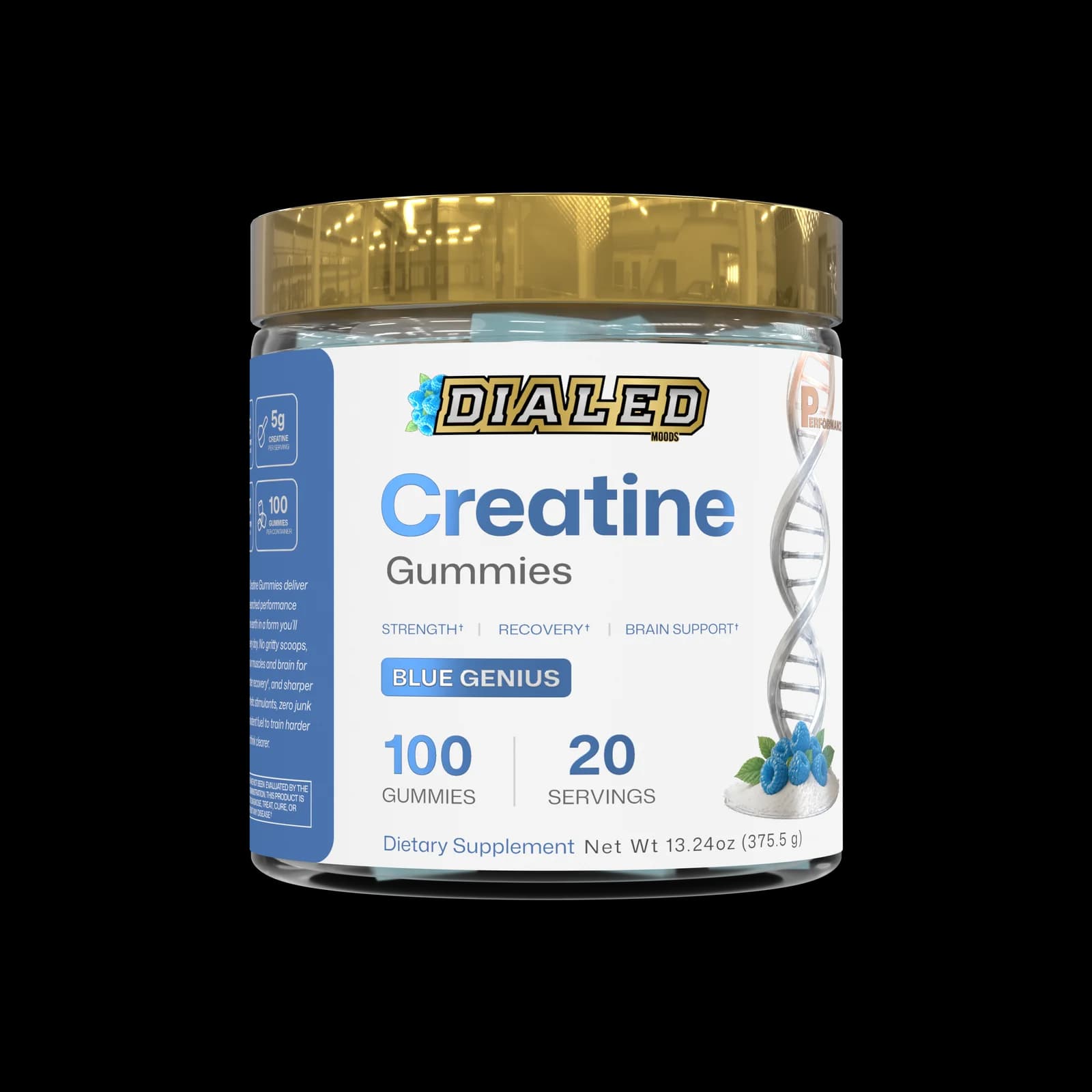
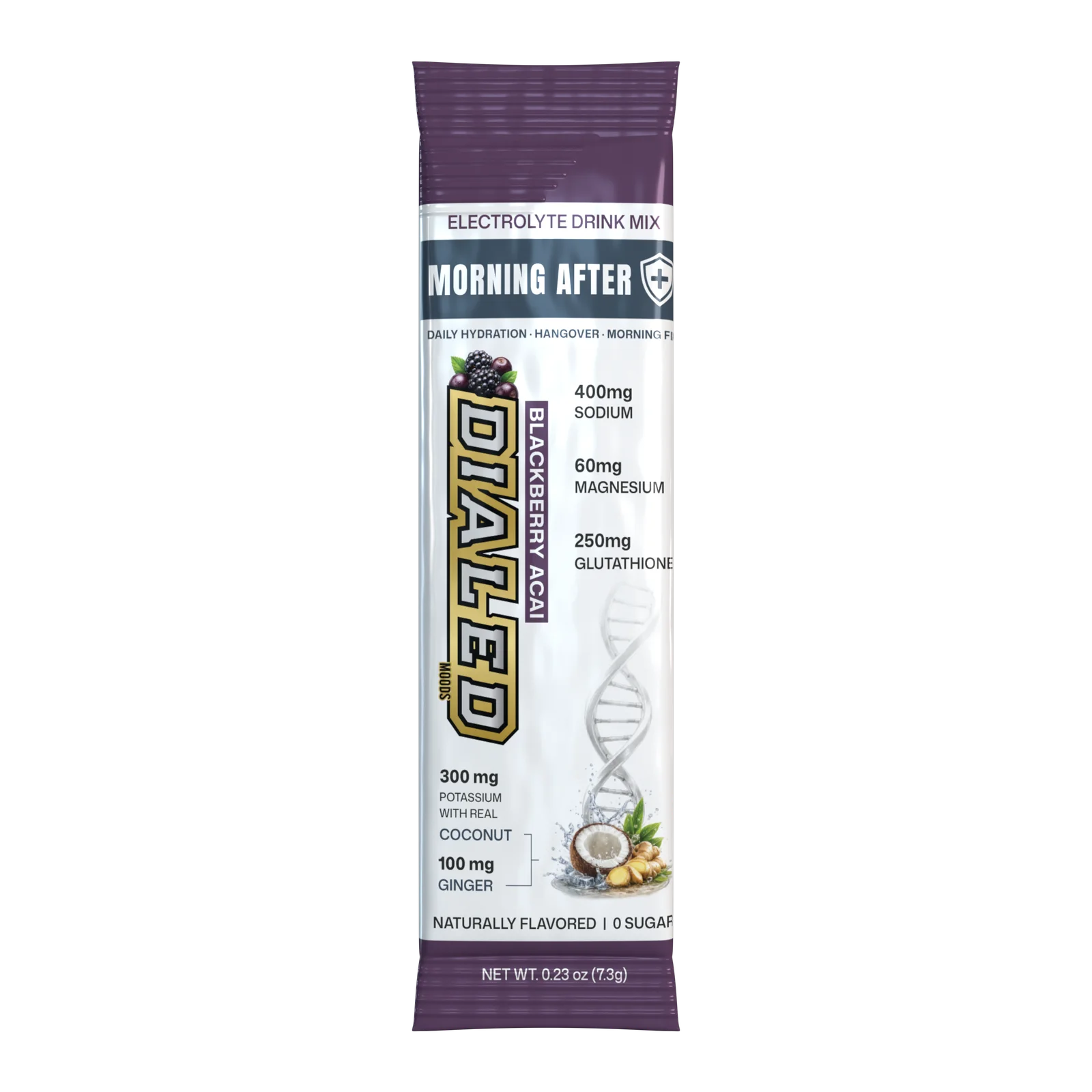
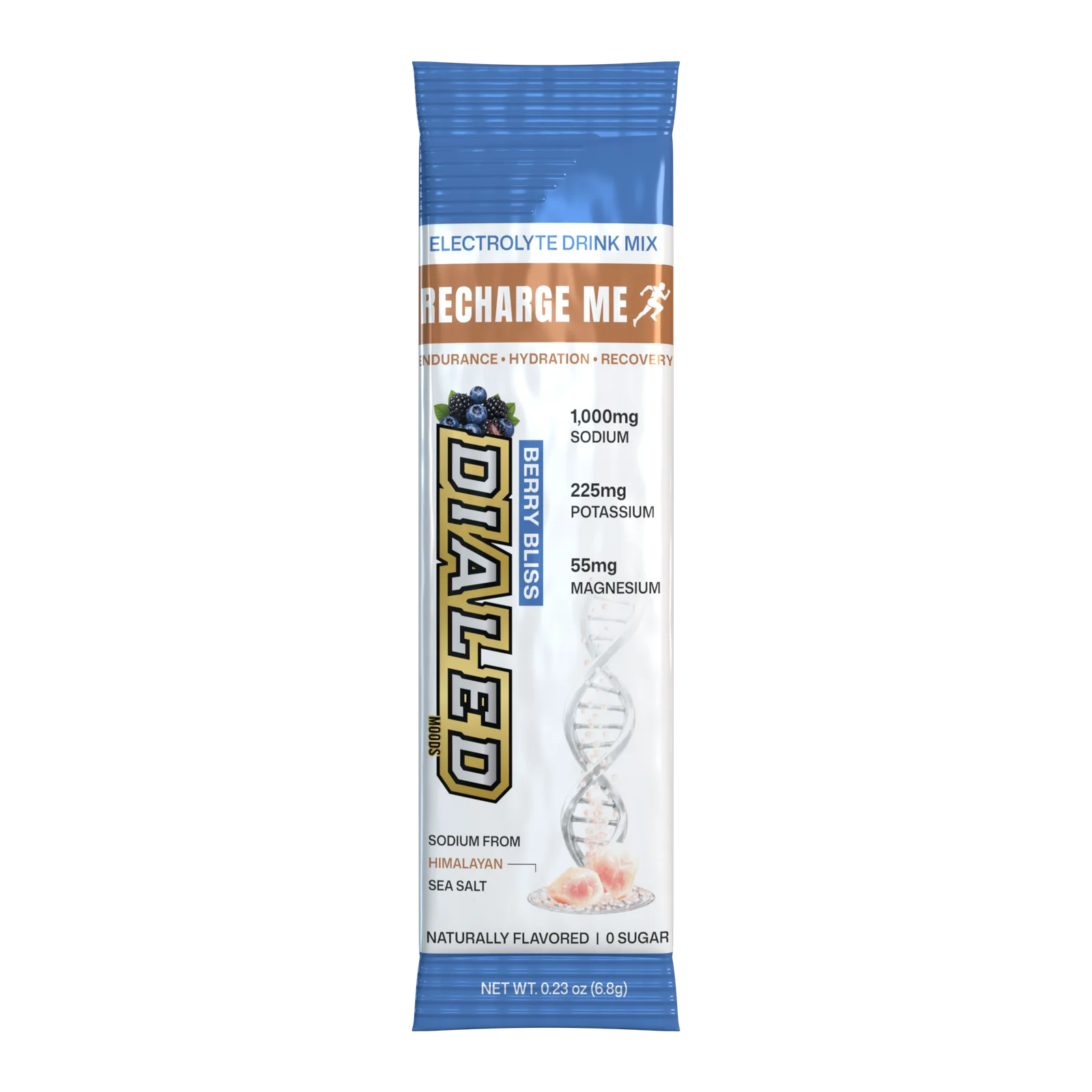
Every nerve signal, every muscle contraction, every moment of mental focus — all of it runs on electrolytes. Dialed Moods delivers the key minerals your body depends on in a clean, easy-to-use daily packet.
How You Lose Electrolytes Through Sweat, Stress, and Activity
Sweat is the most recognized route of electrolyte loss. An hour of moderate exercise can produce 0.5 to 2 liters of sweat, each liter containing roughly 900mg of sodium, 200mg of potassium, 20mg of magnesium, and 15mg of calcium. Heavy sweaters lose electrolytes at the upper end of this range — identifiable by white residue on skin or dark workout clothing. Stress is a less-discussed but significant electrolyte drain: cortisol promotes sodium retention but accelerates urinary excretion of magnesium and potassium. Chronic stress systematically depletes magnesium — which is then needed in greater quantities to support the neurotransmitter and adrenal systems responding to that same stress, creating a compounding depleting cycle. Diuretics, alcohol, and caffeine all increase urine output and accelerate electrolyte excretion beyond sweat alone.
The Difference Between Hydration and Electrolyte Replenishment
Hydration refers to total body water status. Electrolyte replenishment refers to restoring the mineral balance that governs where that water is distributed and how effectively it is used. You can be technically hydrated — adequate total body water — and still functionally impaired if electrolyte levels are insufficient for cell membrane function, nerve signaling, or muscle contraction. If you drink a liter of water after a hard workout, you are hydrating. If you add an electrolyte packet to that water, you are both hydrating and replenishing the mineral base your cells need to actually use the water. The packet's sodium and potassium drive cellular uptake. The magnesium supports muscular recovery. The result is meaningfully different from water alone.
Signs Your Electrolyte Levels May Be Off
Electrolyte imbalance symptoms are easy to attribute to other causes. Fatigue, muscle cramps, headaches, brain fog, heart palpitations, difficulty sleeping, and irritability are all consistent with suboptimal electrolyte status — and all are routinely attributed to stress, poor sleep, or overtraining. The most actionable signal is cramp frequency: if you're experiencing muscle cramps during or after exercise, in the middle of the night, or during high-stress periods, electrolyte depletion is the most common cause in otherwise healthy people. Persistent headaches that respond partially to water but not fully may indicate sodium or magnesium insufficiency. Brain fog that improves with a salty snack or an electrolyte drink points directly at the mineral deficit as the driver.
Electrolytes Are Not Optional — They Are Infrastructure
Every system in the body that uses energy or generates signals depends on electrolyte gradients. Maintaining those gradients through consistent daily replenishment is one of the highest-return wellness habits available — not because it adds performance on top of an already-optimal baseline, but because it prevents the compounding deficit that most people are running at without knowing it. Start with the basics: sodium, potassium, magnesium, and calcium from a clean daily electrolyte source.
Related reading: